




Sharjah Publishers Report New Arabic and Serbian Book Translation Deals
New Rights Agreements Put the Focus on Preserving an Author’s Voice, Cultural Context and Intended Meaning for Readers in Another Language
Publishers at the Sharjah International Publishers Conference reported agreements to bring Filipino writing to Arabic readers and an Egyptian book on feminism to Serbia, as the three-day event concluded Nov. 3 in the United Arab Emirates.
The reported deals cover fiction and nonfiction, with some discussions still at the letter-of-intent stage. For publishers preparing new editions, the next task is to carry each work’s ideas, voice and cultural references into a different reading environment.
New Agreements Connect Publishers Across Language Markets
According to Sharjah24’s Nov. 3 report, Andrea Pasion-Flores of Milflores Publishing reported four agreements with partners in Jordan and Egypt. The works, originally written in English by Filipino authors, comprise a novel, a short-story collection and two nonfiction books.
Egypt’s Al Arabi Publishing and Distributing sold Serbian translation rights to “Noon Al-Niswiyya,” which examines feminism from an Arab perspective, representative Sherif Bakr said.
Other talks remained preliminary. Literary agent Nermin Mollaoğlu described an understanding to sign a letter of intent for a Serbian translation of a work by Turkish author Ayşe Kulin. Publication schedules were unspecified in the report.
The conference’s wider program examined rights acquisition, international sales and adaptations. Emirates News Agency reported that opening-day discussions included evaluating books before buying translation rights and reaching audiences in smaller language markets.
The professional gathering preceded the Sharjah International Book Fair, scheduled for Nov. 4-15 at Expo Centre Sharjah. The organizer’s calendar lists the publishers conference and public fair as separate events.

Why Context Matters When a Book Finds New Readers
The agreements illustrate an editorial challenge: a translated edition must preserve the work’s perspective while giving readers enough context to follow it. In an essay about feminism, for example, a translator needs to distinguish an author’s argument from a position the author is quoting or criticizing.
The target audience also shapes editorial choices. A specialist readership may recognize a historical reference that needs explanation in a general-interest edition. Dialogue, humor, forms of address and recurring terms require decisions that remain consistent across chapters.
That work calls for a translation engine that can account for surrounding meaning, supported by an explicit editorial brief. The brief should identify the intended readers, register, treatment of unfamiliar references and terminology. Audience awareness cannot safely be inferred from the target language alone.
How Can JotMe Support Book Translation and Publishing Deals?
At JotMe, our platform’s document translation and contextual text translation features offer potential support at different stages of that process: reviewing a manuscript, examining a difficult passage and discussing an agreement across languages.
Can JotMe Work as a Document and Book Translator?
Our document translator accepts files including PDF, DOCX, TXT and InDesign IDML, and returns a translated file in the same format. Publishing teams could use it for rights catalogs, synopses, sample chapters and manuscript sections prepared for editorial review.
In a book translator workflow, the current web uploader’s limits matter: it lists a maximum of 10 megabytes and 50,000 characters. A longer manuscript may need shorter sections. Editors should maintain a shared terminology and character-name reference across those sections, then review the assembled text for continuity.
The resulting translation can serve as a working draft. A publishable edition still requires decisions about voice, omissions, cultural references and permissions. Our guide to translation services discusses specialist support for written content and localization, which can help publishers plan that review.
Can JotMe Translate a PDF Manuscript?
Our PDF translator accepts an uploaded PDF and returns a translated PDF. A readable export from the source document is preferable to a blurry scan. The output retains the file type, while translated text can change line lengths, spacing and page breaks.
For a manuscript, that makes a final visual check part of the workflow. Review footnotes, captions, tables and text within illustrations, along with names and numbers. If an editable DOCX source is available, translating that file may make subsequent editing easier.
How Does JotMe Help Editors Review Context and Nuance?
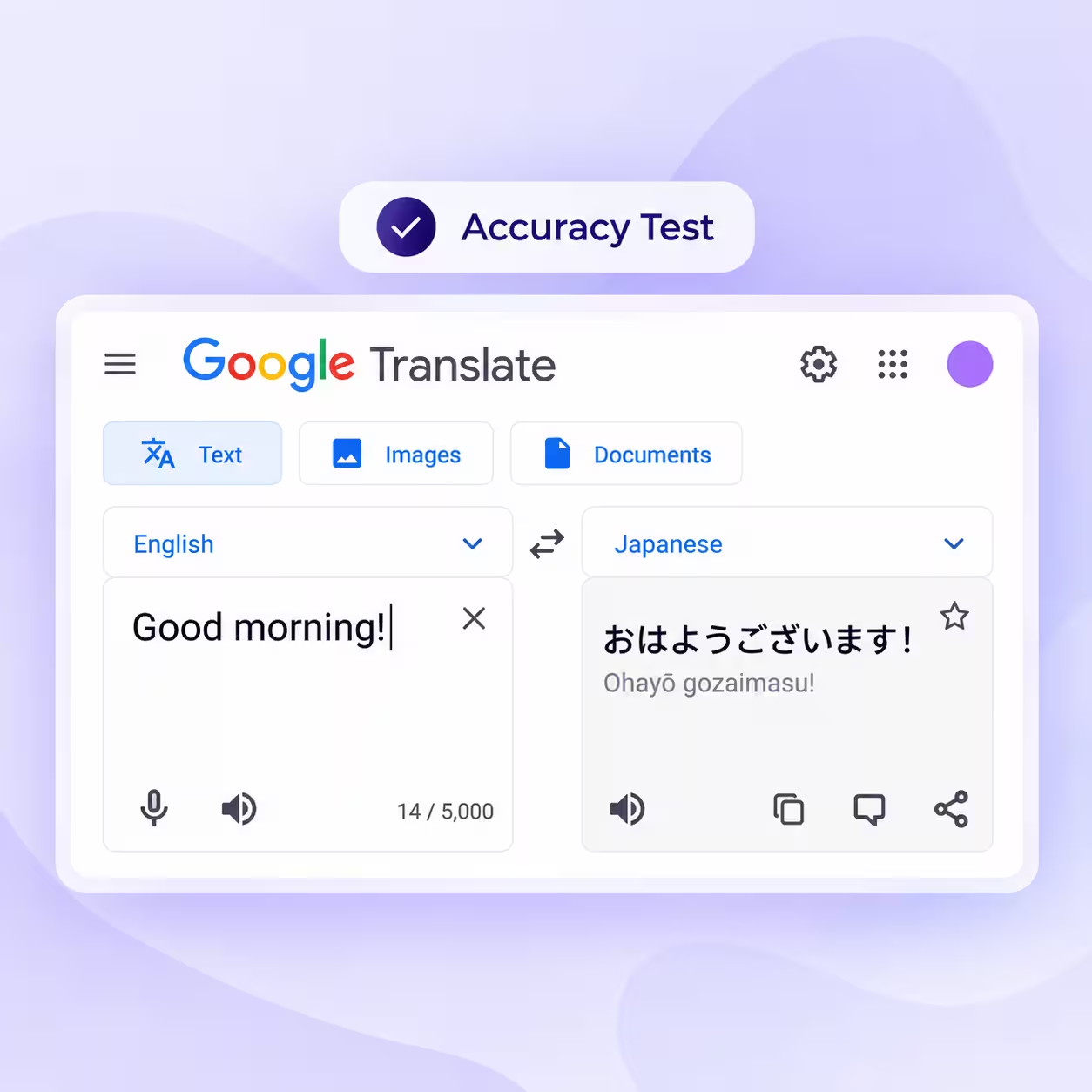
Our AI text translator is designed around meaning, tone and context, and provides explanation notes alongside the translation. An editor could use this separate text workflow to examine a difficult passage from a manuscript and review the wording choices described in those notes.
Those explanations give reviewers another way to question an output. They do not establish that every literary reference or audience expectation has been handled correctly. A reviewer familiar with the source and intended readership still needs to assess the passage in the wider work.
For an Arabic edition, the editorial brief should address written register, dialogue and readers’ familiarity with the setting. Our Arabic translator guide explores the importance of context and language variety. A formal narrative and a character’s conversational voice may need different treatment within the same book.
How Can Floating Captions Help Finalize Multilingual Deals?
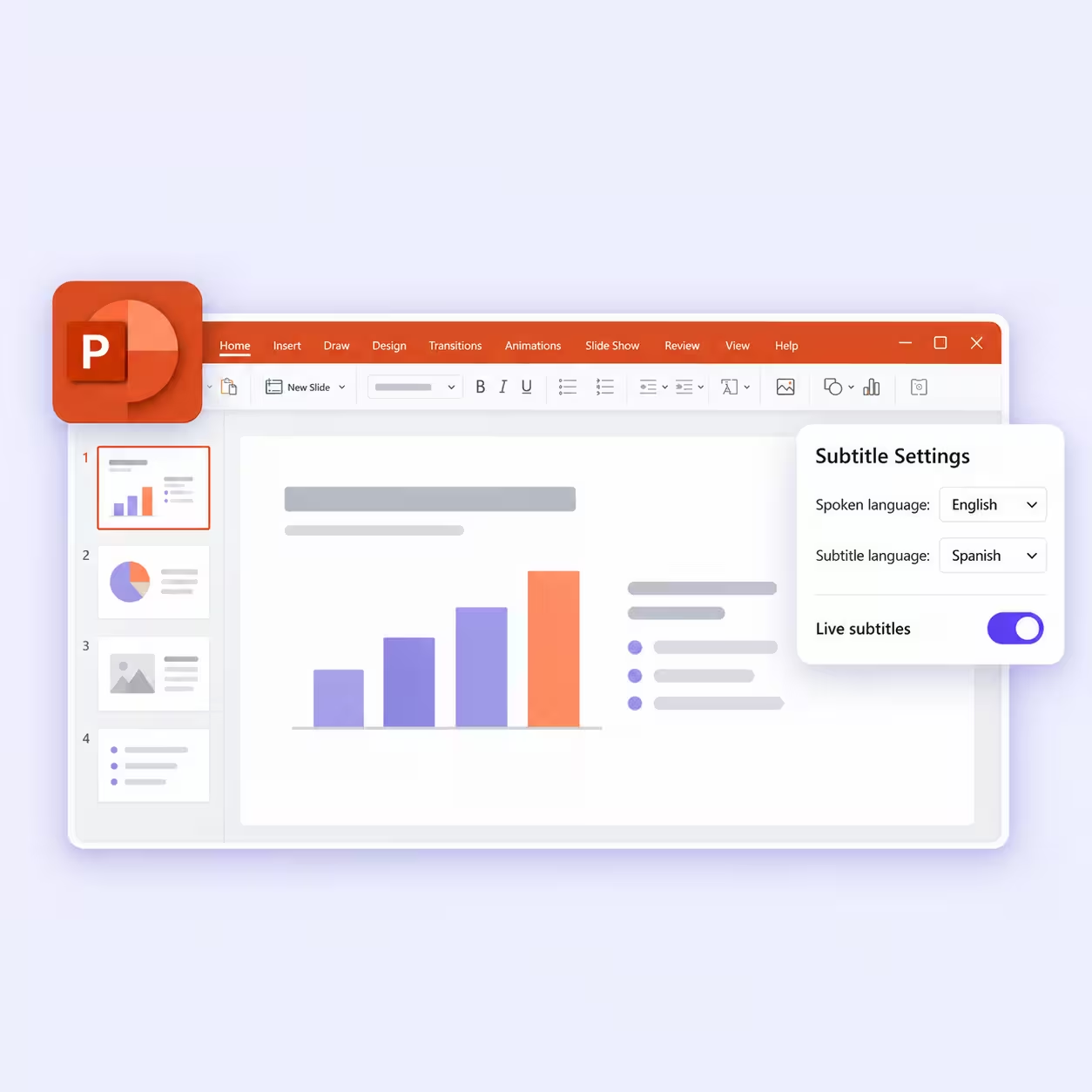
Publishing negotiations also involve live discussion of edits, delivery schedules and commercial terms. Our Nov. 2 desktop v1.0.4 announcement describes floating translated captions for participants using the shared translation page in supported browsers.
A participant can select “Open floating view” to keep a movable, resizable caption window above other applications. During a rights meeting, that could let an editor follow translated speech while keeping a manuscript or draft agreement visible. The main session tab must remain open.
This is a potential workflow for multilingual publishing teams as negotiations move toward a final agreement. The parties should confirm the agreed wording, rights and deadlines in the final documents.