





Resources
Simultaneous vs. Consecutive Interpretation: Which One Does Your Event Need

Viraj Mahajan
August 20, 2026
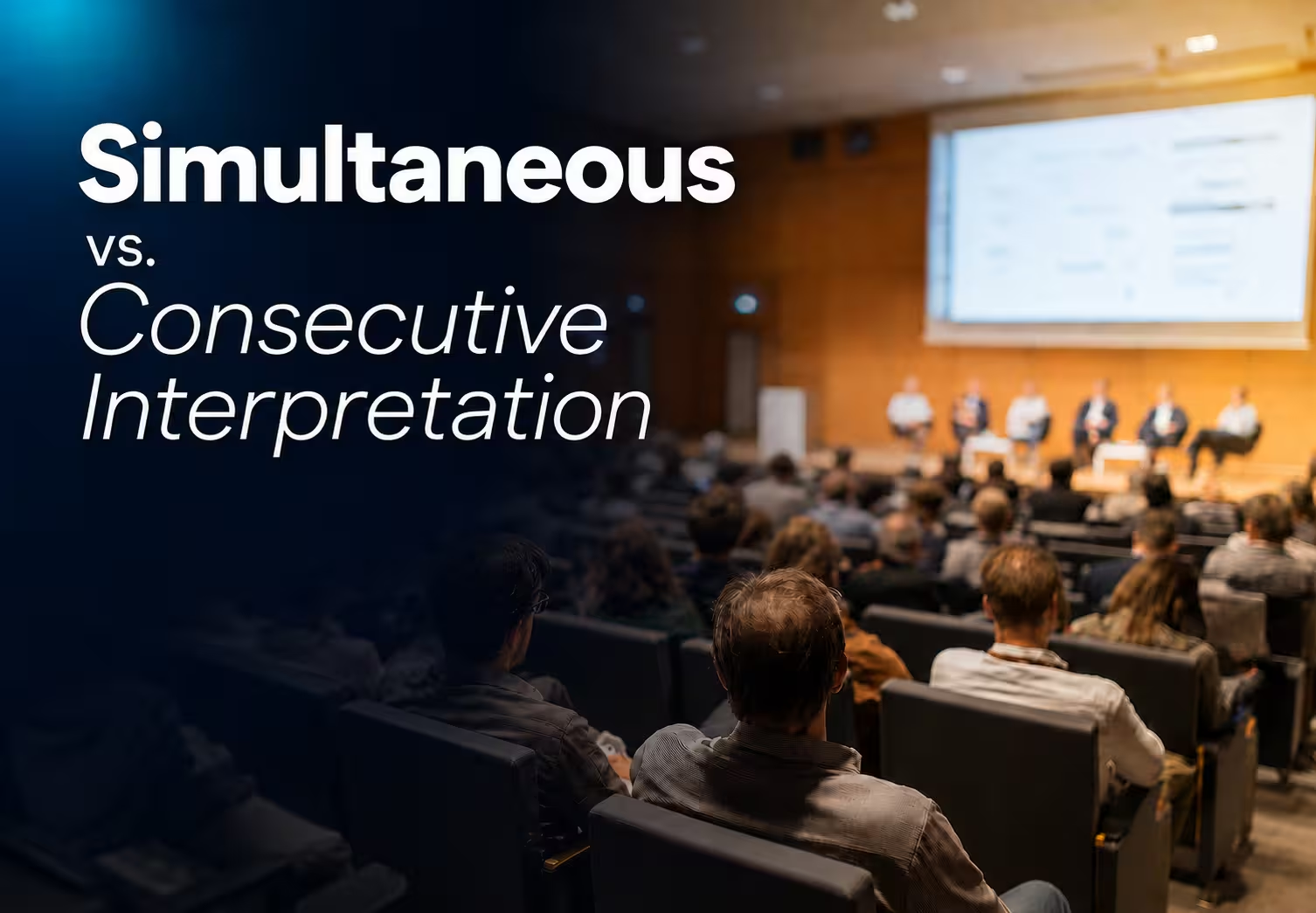
Simultaneous interpretation translates spoken language almost immediately while the speaker keeps talking. Consecutive interpretation waits until the speaker pauses, then delivers the translation. Choose simultaneous for large conferences and multilingual events that can't afford delays. Choose consecutive for smaller meetings where pauses feel natural.
Most events run into the same wall: professional interpreters and booth equipment cost more than a smaller conference can justify. JotMe closes that gap with live AI voice-to-voice translation across 200+ languages, so you get real-time interpretation without booking a human interpreter or renting a booth.
The deciding factor between the two traditional methods is simple: can your audience afford to wait for the interpretation, or does the event need to move at the speaker’s pace?
What Is Simultaneous Interpretation
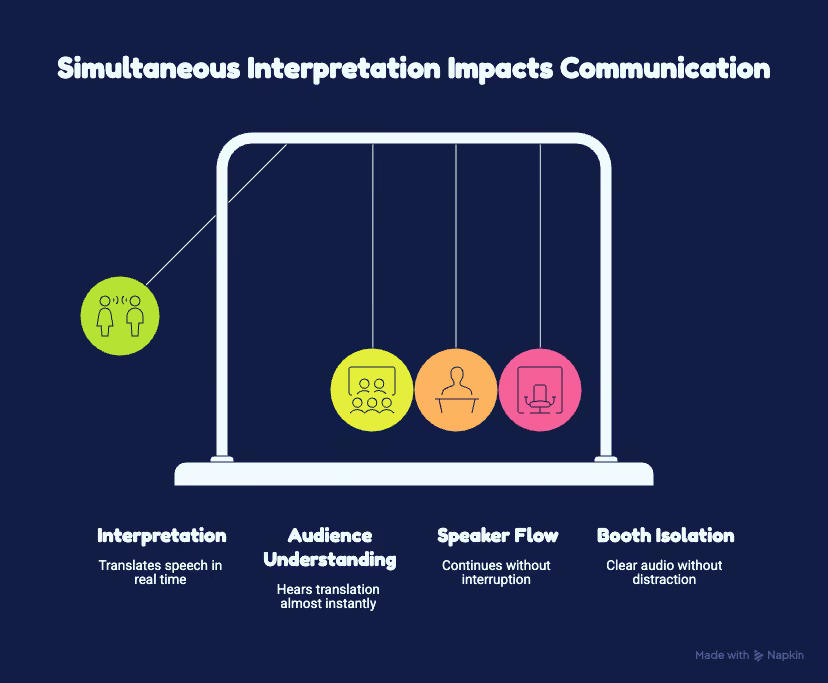
Simultaneous interpretation is a form of conference interpreting in which the interpreter listens to the speaker and translates their words with only a short delay. The original speaker continues talking while the interpreter delivers the interpretation.
The audience hears the interpretation at almost the same time as the original speech.
How Simultaneous Interpreting Works
At a typical in-person conference, the process looks like this:
- The speaker talks into a microphone.
- The interpreter listens through an interpretation system.
- The interpreter translates the message in real time.
- Receivers or headsets send the translated speech to the audience.
- The speaker continues without waiting for each translated section.
Professional simultaneous interpretation usually takes place in a sound-isolated interpretation booth so interpreters can hear the speaker clearly without being distracted by the audience.
What Equipment Does Simultaneous Interpretation Require
A traditional setup can include:
- Interpretation booth
- Interpreter console
- Headphones for interpreters
- Microphones
- Audio distribution system
- Receivers or headsets for attendees
- Technical support
- Reliable venue audio
The exact equipment depends on the venue, number of languages, audience size, and event format. This is why simultaneous interpretation is strongly linked to conference interpreting, international summits, conventions, diplomatic meetings, and other large multilingual events. The infrastructure exists because the format demands it, not because organizers choose it for convenience.
When is Simultaneous Interpretation the Better Choice
Simultaneous interpreting makes sense when:
- The event has a large audience.
- Several languages are being used.
- The schedule needs to stay on time.
- Attendees need to follow the original speaker continuously.
- The event is a conference, summit, convention, or formal international meeting.
- Long pauses would make the event less efficient.
For a two-hour conference presentation, for example, simultaneous interpretation lets the audience receive the interpretation during the same two hours instead of extending the session substantially.
What Are the Advantages of Simultaneous Interpretation
Simultaneous interpretation is best when an event needs continuous, uninterrupted communication without adding time to the schedule. It is especially effective for conferences, summits, and large multilingual events.
- Saves time: The interpretation happens while the speaker continues.
- Keeps the event flowing: Speakers do not need to stop after every sentence or section.
- Works for large audiences: Hundreds or thousands of attendees can follow the same speech.
- Handles multiple languages: Different language channels can serve different audience groups.
- Better for formal events: It fits conferences, conventions, diplomatic meetings, and other structured programs.
What Are the Limitations of Simultaneous Interpretation
The main limitation of traditional simultaneous interpretation is the complexity of the setup and the cost of running it, particularly for in-person events. Professional interpreters also need suitable working conditions, clear audio, and appropriate technical support.
- Higher cost: Interpreter teams, equipment, and technical support can increase the event budget.
- More equipment: Traditional setups may require an interpretation booth, interpreter consoles, transmitters, receivers, headsets, and audio distribution.
- More technical coordination: Sound checks, language channels, and equipment need to work correctly throughout the event.
- Interpreter teams may be required: Longer assignments often require interpreters to alternate, increasing staffing needs.
- Venue requirements: The event space may need room for booths, control equipment, and interpretation infrastructure.
- Less simple for small events: A full simultaneous setup can be difficult to justify for a short meeting with a small audience.
Can Simultaneous Interpretation Happen Online Successfully
Yes, simultaneous interpretation works online successfully with the right approach, and without exceeding the interpretation cost.
Instead of having interpreters physically sit in an interpretation booth at the venue, they can interpret remotely and send the translated audio through a digital platform.
There is also an emerging software-based approach: real-time AI voice translation.
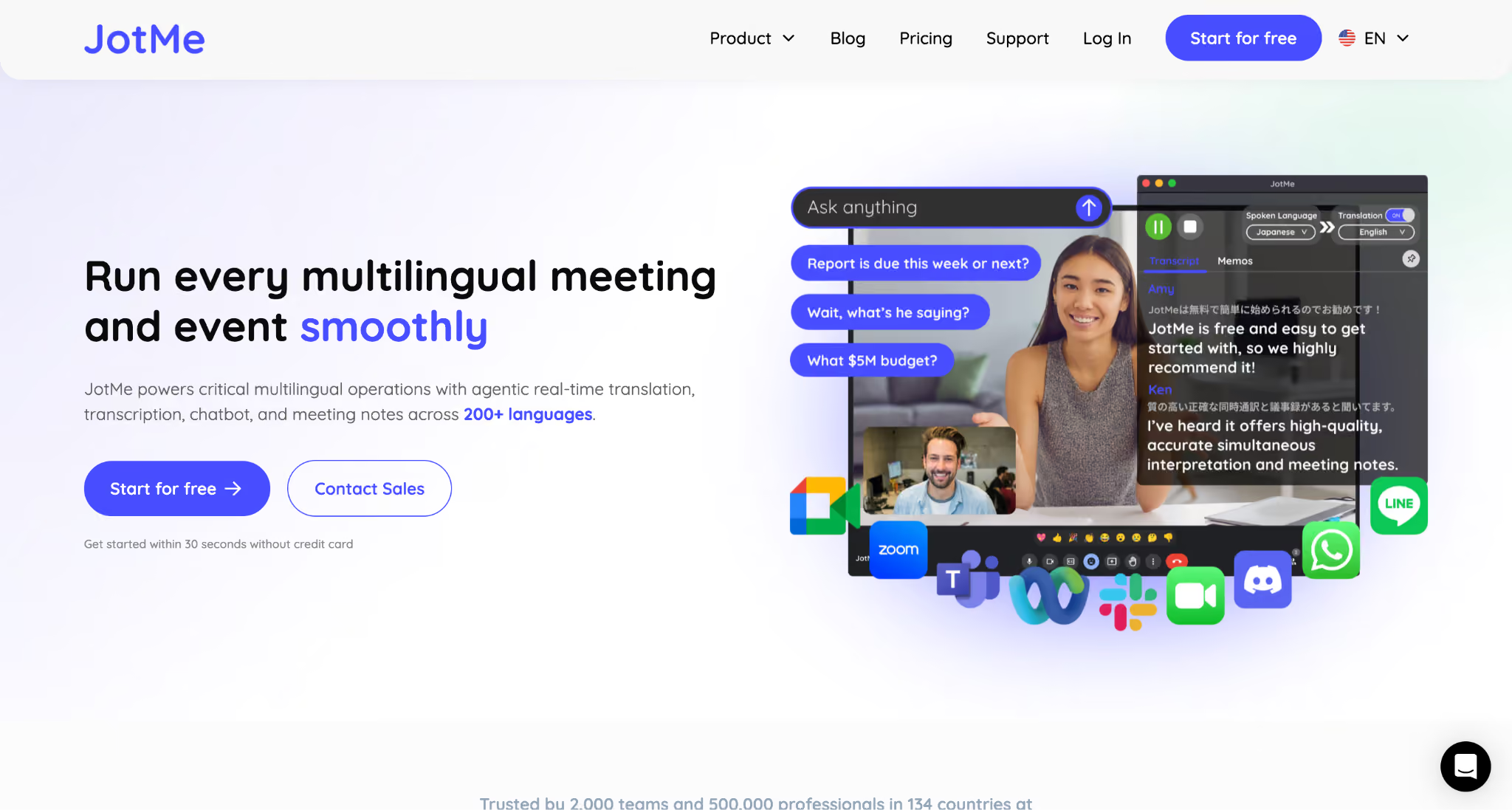
JotMe, for example, provides live translation with AI-generated captions and voice across 200+ languages and 39,000+ language pairs. Its voice translator can translate both sides of a live conversation in real time, while its live text translation interprets meetings, conferences, webinars, and events in real time.
That is important because JotMe is not simply translating a transcript after the speaker finishes. JotMe designs its workflow for live, simultaneous communication. It can capture meeting audio without a bot joining the call, translate as the session continues, and provide translated captions and AI-cloned voice.
It still differs from traditional simultaneous interpretation in one fundamental way: An AI translation system replaces the professional human interpreter. For formal, high-stakes, or highly specialized events, human conference interpreting may remain the preferred option. For online meetings and multilingual events where speed, scale, and two-way communication matter, AI voice translation can be another practical approach.
How to Do Simultaneous Interpretation Online With JotMe
Here is the step-by-step guide to get live interpretation that saves time, is easy to use, and cuts the cost of hiring a human interpreter:
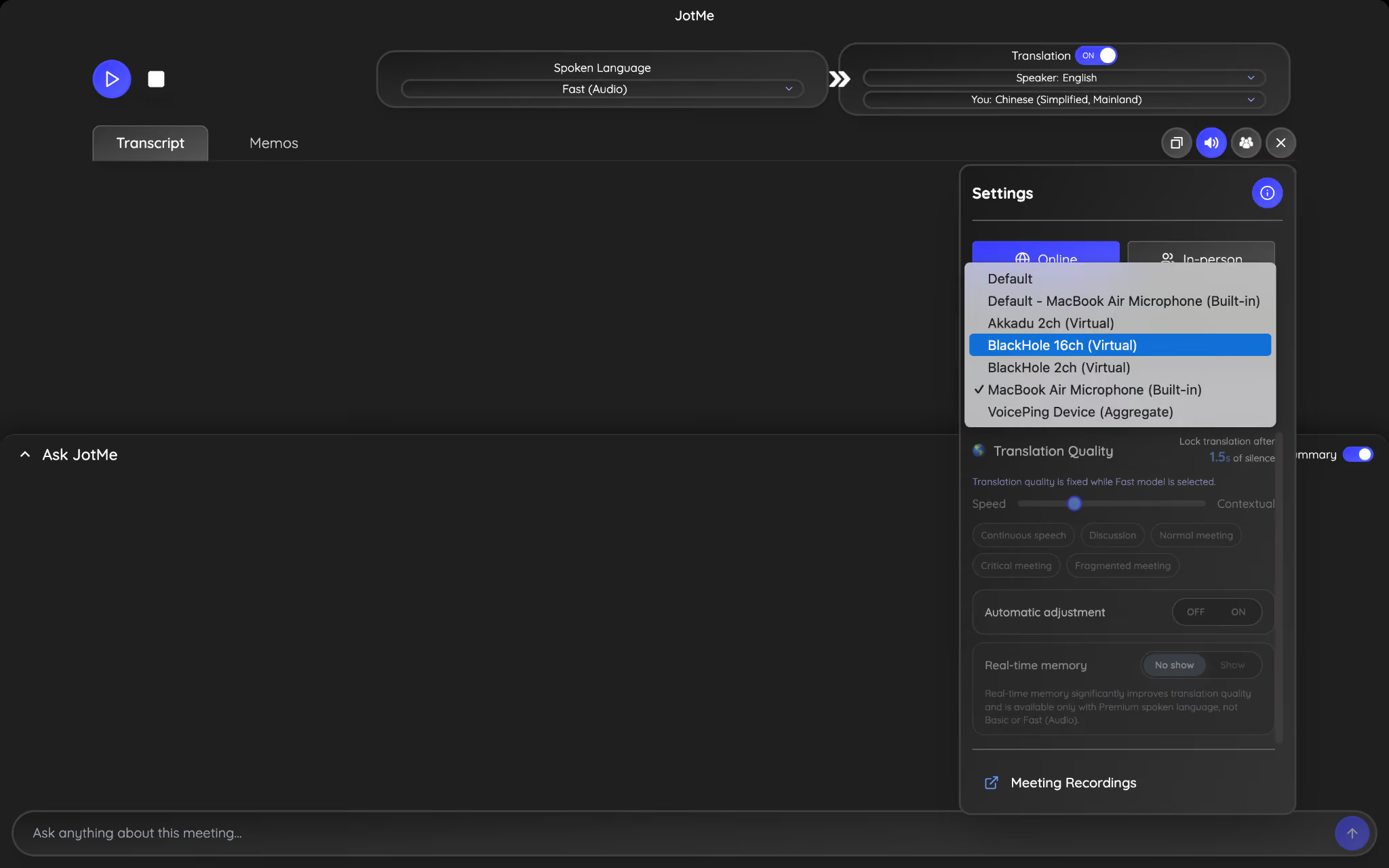
Step 1. Download the JotMe desktop app, as the voice-to-voice feature works on desktop. Then click the settings icon and download BlackHole 16ch and BlackHole 2ch mics for two-way communication.
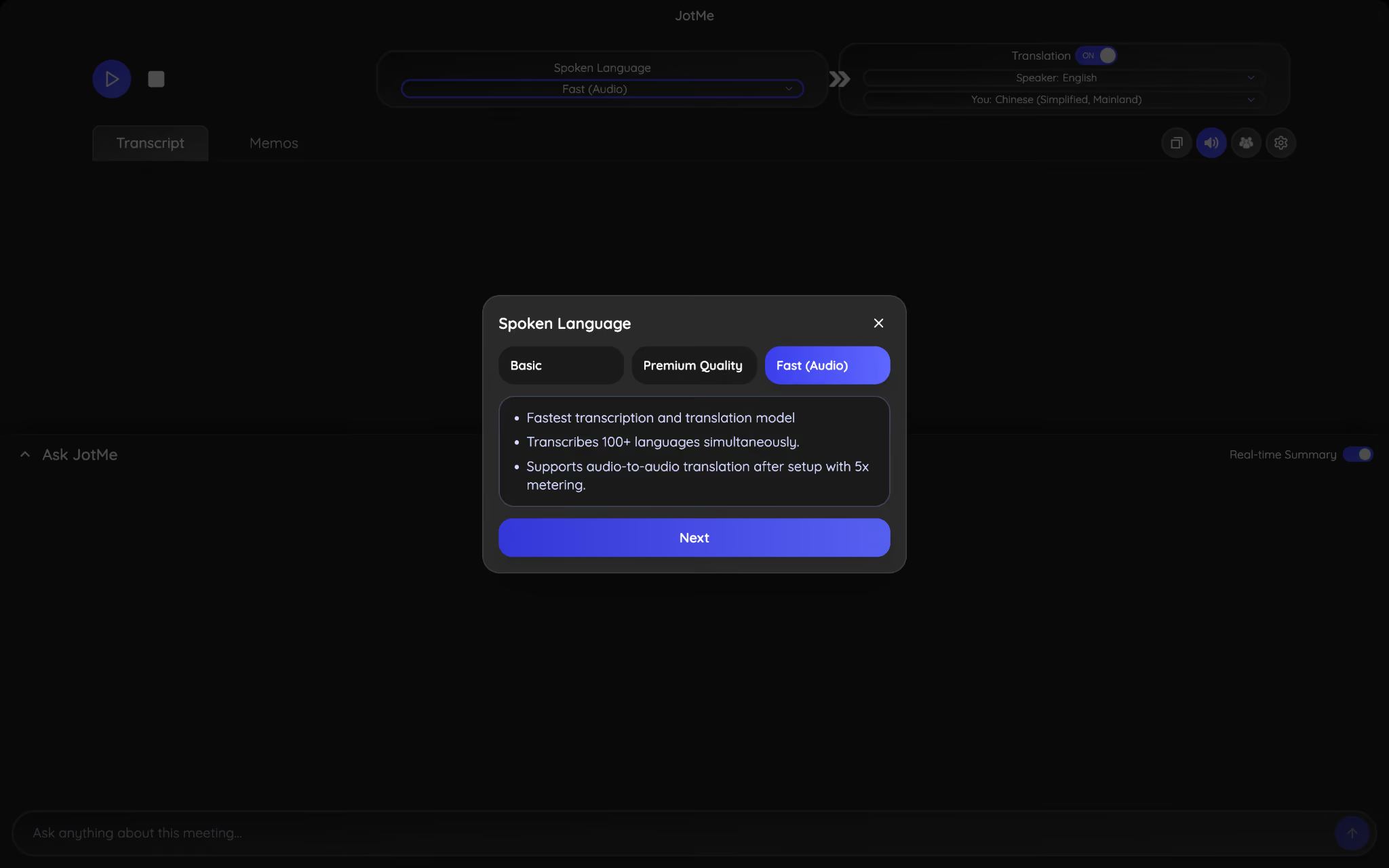
Step 2. Choose Fast (Audio) under Spoken Language, select your Fast Translation Language, and return to the Speech-to-Speech AI Translation menu.
Step 3. Choose the Online Meeting option if you are interpreting a Zoom, Google Meet, Microsoft Teams, WhatsApp call, webinar, sales call, interview, or other online meeting.
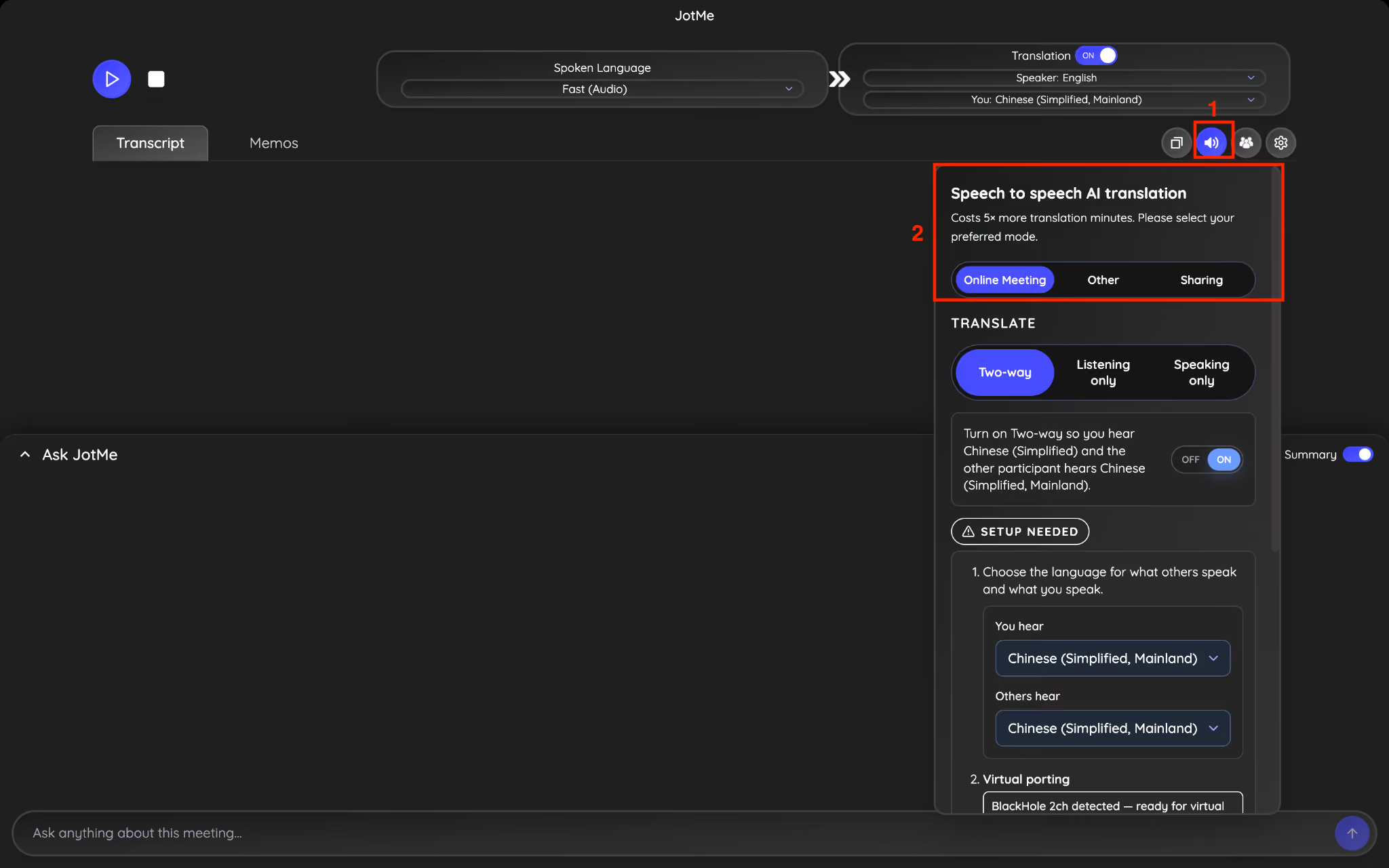
Step 4. Choose the interpretation mode
- Two-Way: Both sides hear the conversation translated into their selected languages.
- Listening Only: You hear the translated audio, while your microphone remains untranslated.
- Speaking Only: JotMe translates your speech and sends the translated audio into the meeting.
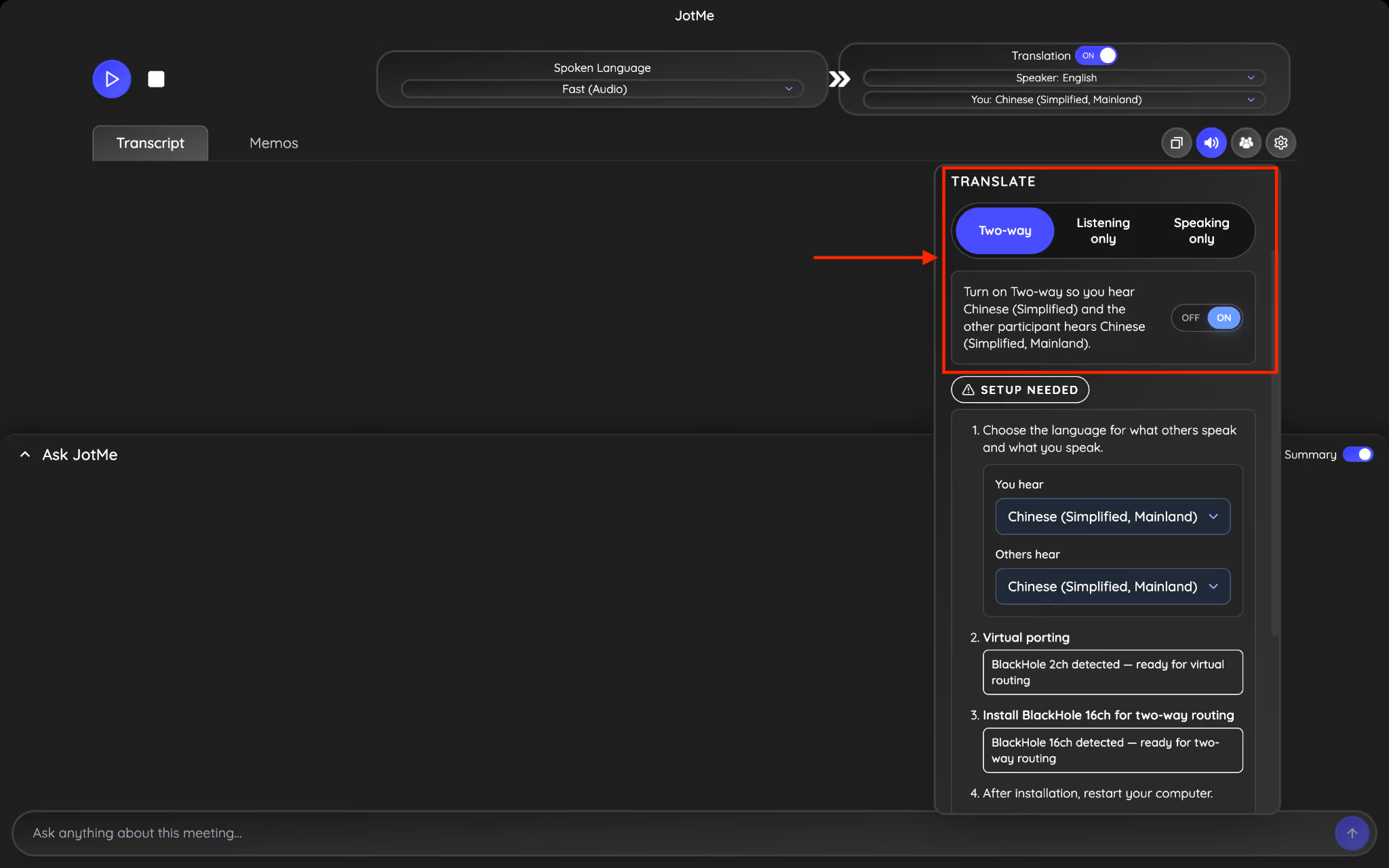
For actual two-way simultaneous interpretation, Two-Way is the relevant option because JotMe separately routes incoming meeting audio and outgoing translated speech.
Step 5. On Mac, Two-Way mode requires BlackHole 2ch and BlackHole 16ch. On Windows, JotMe uses VB-CABLE and Virtual Audio Cable Line 1. The app provides the appropriate device instructions for the selected mode.
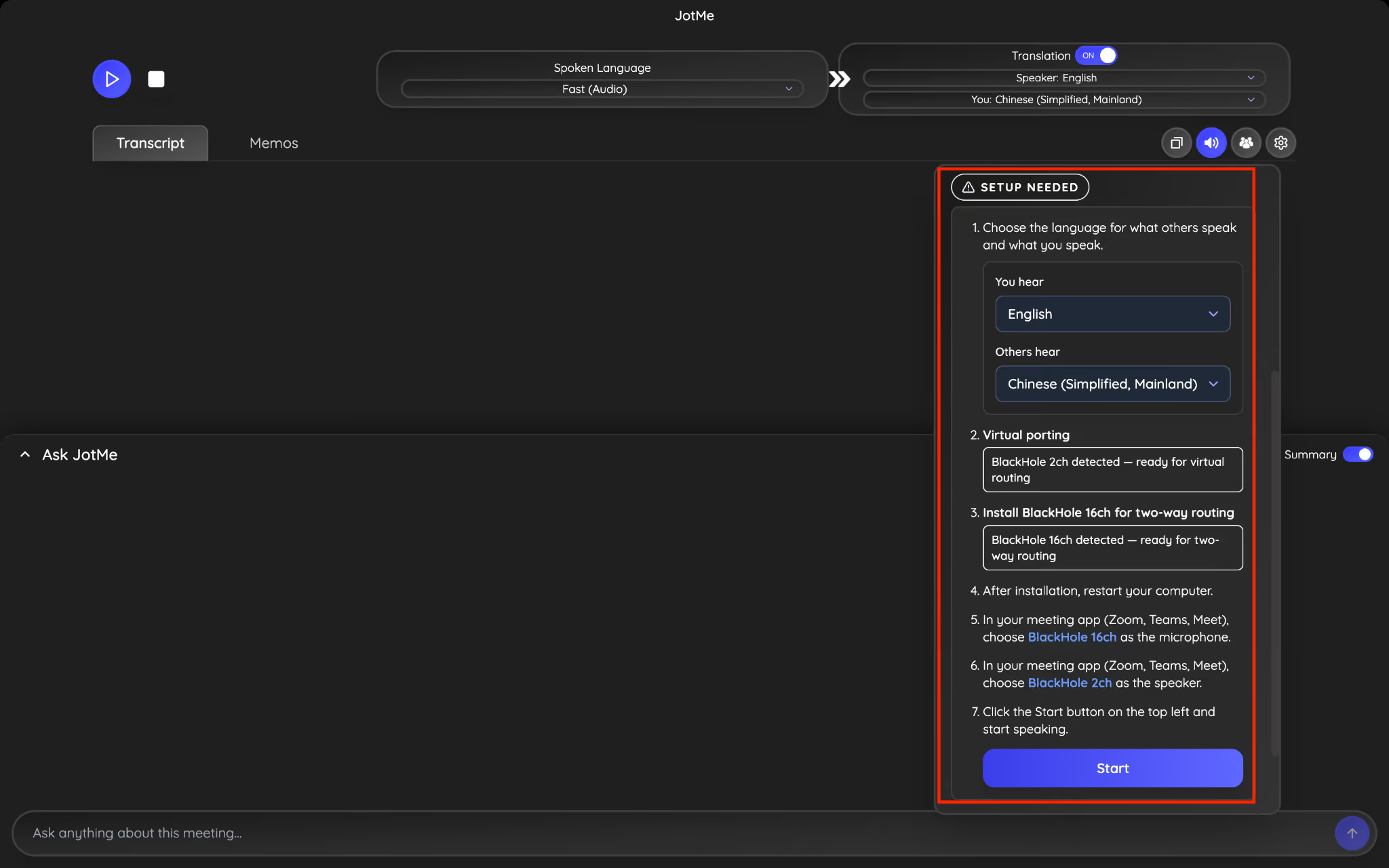
Step 6. Once the audio devices are detected, start the session and speak normally. JotMe captures the meeting audio and provides translated speech while the conversation continues.
What Is Consecutive Interpretation
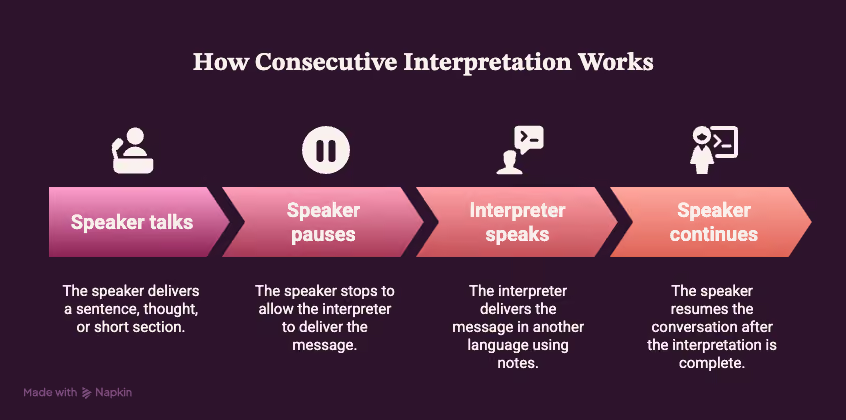
Consecutive interpretation is a form of interpretation in which the speaker pauses after a sentence, thought, or short section, and the interpreter then delivers the message in another language. The interpreter listens carefully, often taking notes, before speaking.
Unlike simultaneous interpretation, the interpreter does not speak over the original speaker. The conversation moves this way: the speaker talks, pauses, the interpreter speaks, and then the speaker continues.
How Does Consecutive Interpretation Work
A consecutive interpreter listens for meaning rather than translating every word individually. While the speaker is talking, the interpreter may use a structured note-taking system to capture key ideas, names, numbers, terminology, and relationships between points.
When the speaker pauses, those notes help the interpreter reproduce the message accurately in the other language.
This approach works particularly well when the conversation needs interaction rather than uninterrupted delivery. It is common in business meetings, interviews, negotiations, medical appointments, site visits, and smaller formal meetings.
Does Consecutive Interpretation Work Online
Yes, consecutive interpretation works both online and in person. The basic method stays the same: the speaker pauses, and the interpreter delivers the interpretation before the conversation continues.
For an in-person meeting, the interpreter can sit or stand with the participants and take notes by hand. An online meeting can use a phone or video platform, with the interpreter joining remotely.
Online consecutive interpretation is useful for remote consultations, business negotiations, interviews, and smaller multilingual meetings where participants can naturally take turns.
When Is Consecutive Interpretation the Better Choice
Consecutive interpretation is usually the better choice when the group is small, the conversation is interactive, and participants can pause without disrupting the meeting.
It works especially well for:
- Business meetings and negotiations
- Interviews and consultations
- Medical appointments
- Site visits and factory tours
- Small group discussions
- Short formal meetings
It can also be a practical option when you do not need the specialized interpretation equipment or interpretation booth used for traditional simultaneous interpretation.
What Are the Advantages of Consecutive Interpretation
Consecutive interpretation is most useful when flexibility, interaction, and a simple setup matter more than speed. It works especially well for smaller, conversational settings where participants can pause naturally.
- Simple setup: It usually requires little specialized interpretation equipment.
- Interactive: Participants can ask questions, clarify points, and respond between interpreted sections.
- Flexible: It works well for meetings, interviews, negotiations, consultations, and site visits.
- Smaller groups: It is practical when only a few participants need interpretation.
- Human judgment: The interpreter can consider context, tone, and the flow of the conversation before responding.
What Are the Limitations of Consecutive Interpretation
The main limitation of consecutive interpretation is time. Regular pauses add speaking turns, which can make presentations and tightly scheduled events considerably longer.
- Slower delivery: The audience has to wait for each interpreted section.
- Longer events: Presentations and meetings can take significantly more time.
- Less suitable for large audiences: It becomes cumbersome when hundreds of people need continuous interpretation.
- More interruptions: Frequent pauses can break the flow of speeches or presentations.
- Multiple languages become harder to manage: Each additional language can add further interpretation time.
Simultaneous vs. Consecutive Interpretation: A Direct Comparison
The main difference between simultaneous and consecutive interpretation is when the interpretation is delivered.
Which One is faster: Simultaneous vs. Consecutive Interpretation
Simultaneous interpretation is faster for the audience because the interpretation is delivered while the speaker continues talking. Consecutive interpretation adds time because each speaking segment is followed by an interpreted segment.
For example, imagine a 60-minute keynote in English for an audience that also speaks Spanish. With simultaneous interpretation, Spanish-speaking attendees can follow the presentation during the same 60 minutes. With consecutive interpretation, the speaker would need to pause regularly, so the session could take considerably longer.
Which One is More Suitable for a Conference: Simultaneous vs. Consecutive Interpretation
Simultaneous interpretation is generally the better fit for large conferences, particularly when the audience needs continuous interpretation, and the program must stay on schedule. Consecutive interpretation can work well for smaller conference sessions, interviews, or situations where interaction is more important than speed.
For example, a 500-person international conference with English, Japanese, and Spanish attendees would typically benefit from simultaneous interpretation because each audience group can follow the presentations without interrupting the speakers. A 10-person conference workshop or speaker interview may work better with consecutive interpretation, especially when discussion and direct interaction matter more than speed.
How Much Does Simultaneous and Consecutive Interpretation Cost
The cost depends on the interpretation method, language pair, event duration, subject matter, location, and technical requirements.
Simultaneous interpretation is usually more expensive to run than consecutive interpretation, especially for in-person events. The difference comes from interpreter teams, specialized interpretation equipment, and technical support. Consecutive interpretation generally has a simpler setup, although longer meetings can cost more because the interpretation adds time to the session.
What Affects the Final Interpretation Price
Several variables can move the price substantially:
- Language pair: Less common language combinations can cost more because qualified interpreters may be harder to find.
- Subject matter: Legal, medical, engineering, and other specialized topics may require interpreters with specific expertise.
- Duration: Longer sessions can trigger minimum booking periods, additional interpreters, overtime, or additional preparation.
- Number of languages: A multilingual conference needs more interpretation channels and potentially larger interpreter teams.
- Equipment: Simultaneous interpretation generally requires more technical infrastructure than consecutive interpretation.
- Travel: On-site interpretation may involve transportation, accommodation, and per diem costs.
How Much Does Online Interpretation Cost
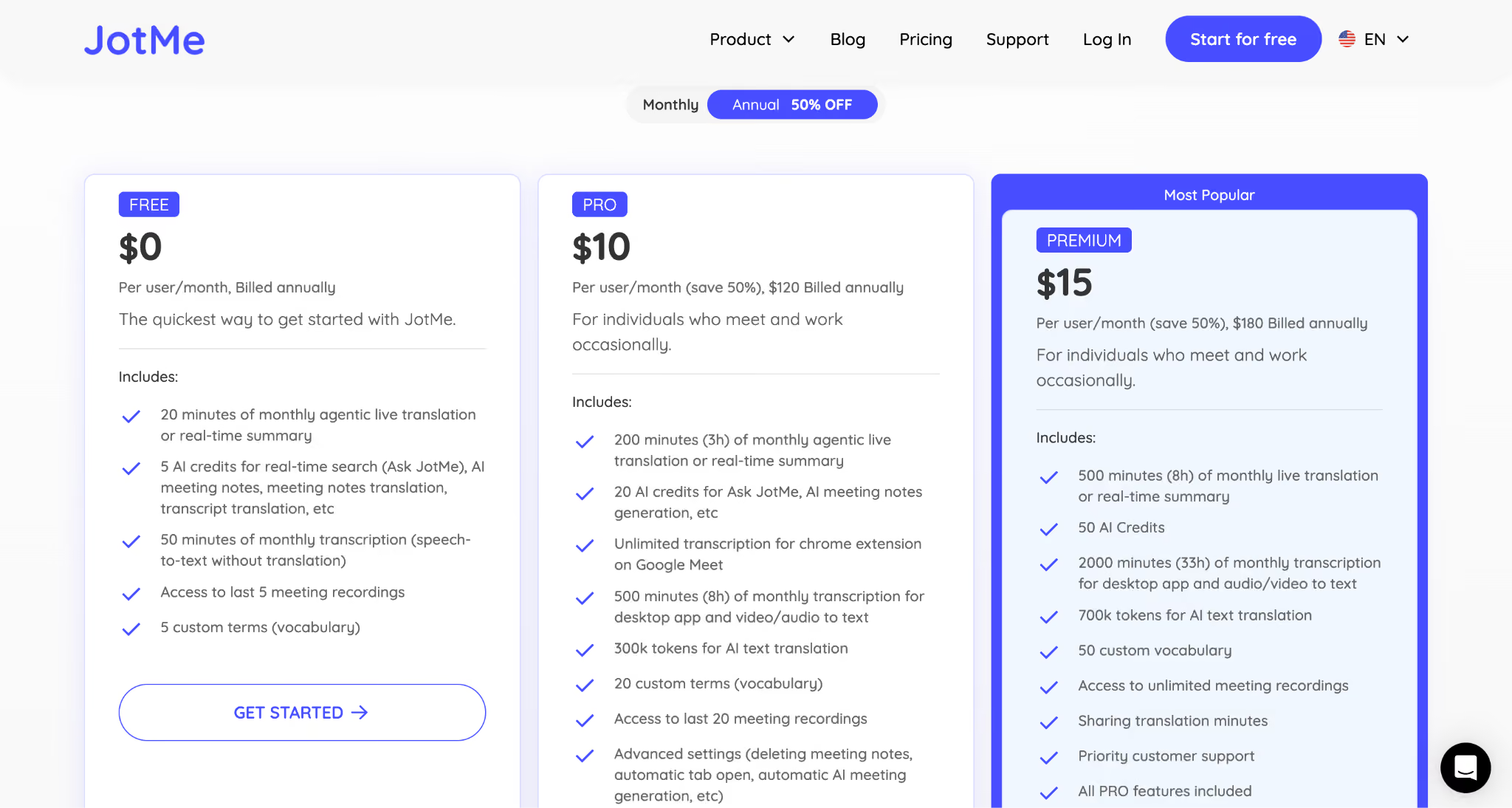
Online interpretation can be priced in several ways. A remote human interpreter may charge by the minute, hour, or assignment, while AI translation platforms generally use subscription or usage-based pricing.
JotMe's pricing plans include 200 minutes of live translation on Pro and 500 minutes on Premium, which makes the subscription model different from paying an interpreter for every individual meeting.
When Does Remote Simultaneous Interpretation Make More Sense
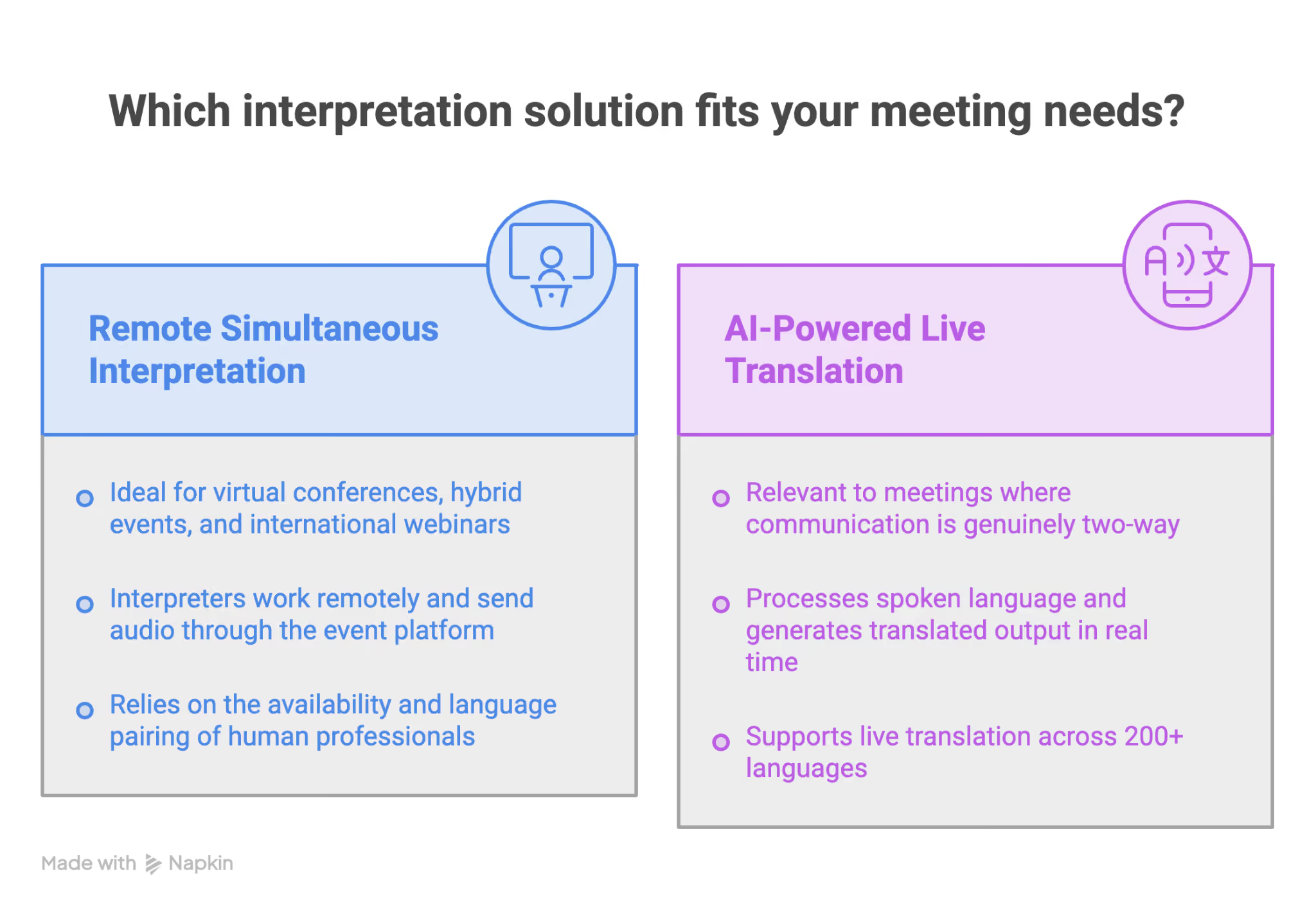
Remote simultaneous interpretation (RSI) is useful when the event is virtual or hybrid, and interpreters do not need to be physically present at the venue.
Instead of putting an interpreter inside an on-site interpretation booth, the interpreter works remotely and sends the interpreted audio through the event platform.
RSI can be useful for:
- Virtual conferences
- Hybrid events
- International webinars
- Remote corporate meetings
- Multilingual training sessions
- Distributed teams
For example, imagine a 300-person hybrid conference where the main speaker is presenting in English and attendees in Japan and France need simultaneous interpretation. Instead of building interpretation booths at the venue, interpreters can work remotely and send Japanese and French audio channels to attendees through the event platform.
The main advantage is flexibility. You can separate the interpreter from the physical venue while keeping the simultaneous interpreting model.
Can AI Voice Translation Replace Remote Interpreters
Yes, AI voice translation can replace a remote interpreter for some online meetings and multilingual conversations, but it is not a universal replacement for professional remote simultaneous interpretation. Translation services can translate speech in real time without requiring a human interpreter to join the meeting, making it useful when speed, flexibility, and two-way communication are priorities.
JotMe is one example of this model. It supports live translation across 200+ languages, with voice-to-voice translation, AI-cloned voice, translated captions, automatic language detection, and two-way translation. It works across platforms including Zoom, Google Meet, Microsoft Teams, and Webex, as well as in-person conversations.
For example:
English speaker → JotMe → Japanese translated voice
Then:
Japanese speaker → JotMe → English translated voice
Imagine a 10-person international sales meeting where one group speaks English, and another speaks Japanese. Everyone needs to ask questions, respond, and discuss the deal throughout the meeting. A two-way AI voice translation workflow can let participants speak in their preferred language while hearing the translated response as the conversation continues.
That makes it particularly relevant to meetings where communication is genuinely two-way.
Which Interpretation Method Should You Choose for Your Event
Choose simultaneous interpretation when your audience needs to follow the speaker without delays, especially for conferences, summits, and multilingual events. Choose consecutive interpretation when the group is smaller and natural pauses between speakers are acceptable.
For online or hybrid events, remote simultaneous interpretation can provide the same real-time experience without a physical interpretation booth. When you need a more flexible, software-based option for multilingual online conversations, JotMe can provide real-time voice translation across 200+ languages.
The final decision comes down to three things: first, how large your audience is, how much interruption your event can tolerate, and how much interpretation infrastructure you need. Choose the method that keeps communication clear without making the event harder to run.
Frequently Asked Questions
Which is more expensive: simultaneous or consecutive interpretation?
Simultaneous interpretation is generally more expensive for traditional in-person events because it can require interpreter teams, an interpretation booth, audio equipment, receivers, and technical support. Consecutive interpretation usually needs less infrastructure, particularly for smaller meetings.
How many interpreters do you need for simultaneous interpretation?
The number depends on the event duration, languages, workload, and working conditions. Longer simultaneous assignments commonly use interpreter teams so interpreters can alternate during the session. For online events, remote simultaneous interpretation can be provided by interpreters working remotely, while an AI voice translation platform such as JotMe can translate live conversations without requiring a human interpreter for 200+ languages.
Do you need an interpretation booth for simultaneous interpretation?
A traditional in-person conference generally uses an interpretation booth or another suitably isolated interpreting environment. Remote simultaneous interpretation does not require a physical booth at the venue because interpreters work remotely.
What equipment is required for simultaneous interpretation?
A traditional setup can include an interpretation booth, interpreter console, microphones, interpreter headphones, transmitters, audience receivers, headsets, and audio distribution equipment.
Can simultaneous and consecutive interpretation be done remotely?
Yes, simultaneous and consecutive interpretation can be delivered remotely. Remote simultaneous interpretation keeps the simultaneous model while moving the interpreter online. Remote consecutive interpretation allows a human interpreter to join a phone or video meeting and interpret after participants pause.
Which type of interpretation is used at the UN?
The United Nations uses simultaneous interpretation extensively in its formal multilingual meetings because delegates need to follow speeches and discussions without waiting for each section to be interpreted.
How Long Does Consecutive Interpretation Take?
Consecutive interpretation takes longer than simultaneous interpretation because the speaker must pause while the interpreter delivers each section. The total time depends on the length of each speaking segment, the subject matter, and how frequently the interpreter needs to interpret.
Can simultaneous interpretation handle multiple languages at the same time?
Yes, a conference can provide several language channels simultaneously when it has the required interpreter teams and technical infrastructure. Each language normally has its own interpretation channel, allowing attendees to select the language they need. Large multilingual events may also use relay interpretation when a direct language combination is unavailable.
Can you use Zoom for simultaneous interpretation?
Yes, Zoom supports simultaneous interpretation through separate language audio channels, allowing participants to listen to the interpretation while the meeting continues. The exact setup depends on the Zoom account, meeting configuration, and devices participants use, so organizers should test the language channels before the event.
What is relay interpretation?
Relay interpretation is used when an interpreter cannot interpret directly from the speaker's language into the target language. The message is first interpreted into an intermediary or “pivot” language, and another interpreter then interprets that version into the target language. It is particularly useful for conferences involving many language combinations.
Do simultaneous interpreters interpret into their native language?
Professional conference interpreters generally interpret into their strongest or native language, particularly when delivering simultaneous interpretation. Their work requires advanced language proficiency, subject knowledge, concentration, and the ability to process incoming speech while producing the interpretation.
Can simultaneous interpretation be recorded and transcribed?
Yes, interpreted meetings can be recorded and transcribed when the event platform and audio setup capture the relevant interpretation channel. The resulting recording or transcript can then be used for review, documentation, or sharing with participants, although the exact process depends on the meeting platform and interpretation system.
Last updated on
August 31, 2026
Follow us on social media: