






Japan And Bangladesh Sign Worker Pact Ahead Of April 2027 Rollout

Viraj Mahajan
November 2, 2026

The agreement sets out recruitment cooperation and worker protections. A goal of sending 100,000 workers a year appears on Bangladesh's official employment portal.

Visitors look out over Tokyo from the Tokyo Metropolitan Government Building on Sept. 5, 2024. File photo: Asanagi / Wikimedia Commons, CC0.
Japan and Bangladesh have signed an agreement on employment and skills development, with recruitment under the new program scheduled to begin April 1, 2027, according to Bangladesh's government.
The agreement comes as the two countries expand economic ties. Japanese Prime Minister Sanae Takaichi and Bangladeshi Prime Minister Tarique Rahman met in Tokyo on Oct. 27, discussing investment, trade and cooperation in developing skilled workers.
In an Oct. 28 post on X, Kangmin Lee described the arrangement as a 10-year deal and cited projections of more than 100,000 Bangladeshi workers a year. He also questioned Takaichi's decision.
View Kangmin Lee's Oct. 28, 2026 post on X
The published memorandum sets no Bangladesh-specific annual recruitment quota. Its duration, Bangladesh's recruitment ambitions and the number of workers ultimately admitted are separate measures.
Where The Recruitment Figures Come From
Bangladesh's official Bangladesh 2 Japan employment portal says the government plans to send 100,000 workers to Japan each year in response to Japanese demand. The page presents the figure as a Bangladeshi government plan. It also describes several employment routes, including technical internships, the Specified Skilled Worker system and professional categories.
A different timetable appeared in reporting on a business initiative in May 2025. The Daily Star reported that Mikio Kesagayama, chairman of Japan's National Business Support Combined Cooperatives, said the federation was prepared to welcome more than 100,000 Bangladeshi workers over five years.
The statement was made at a human resources seminar organized by the Bangladesh Embassy in Tokyo. Bangladesh's Bureau of Manpower, Employment and Training signed separate memorandums with recruitment and business organizations at the event, according to the newspaper.
Those figures describe different ambitions: an annual government target and a five-year business recruitment plan. Neither figure establishes how many workers have been hired or entered Japan under the new program.
What The Agreement Provides
The memorandum records signatures in Tokyo on Sept. 16 and Dhaka on Oct. 17. It provides for five years of cooperation, followed by an automatic five-year extension unless either side gives written notice against renewal.
Japan will set intake limits by industry, covering participating workers including Bangladeshis. The agreement allows authorities to suspend approval of employment plans in an industry when its intake ceiling is exceeded.
Bangladesh's Ministry of Expatriates' Welfare and Overseas Employment said the arrangement would strengthen cooperation in recruiting and receiving workers, support skills development and improve worker protection. The state news agency Bangladesh Sangbad Sangstha reported the ministry's announcement on Oct. 19.
How The New Worker Program Will Operate
Japan's Immigration Services Agency says the Employment for Skill Development Program is designed to train workers over three years to the level required for Specified Skilled Worker No. 1 status. Its aim is to develop and retain workers in industries facing labor shortages.
The agency says the system will replace the Technical Intern Training Program. Its explanation cites concerns about the gap between the older program's stated purpose and its operation, protections for foreign workers and intensifying international competition for labor.
The agency lists April 1, 2027, as the date when workers can begin entering under the new program. Applications for supervising and support organizations opened April 15, 2026, and advance applications for employment-plan approval opened Sept. 1.
Bangladesh already has arrangements for sending workers to Japan under other employment categories. The April 2027 date concerns the new skills-development program, rather than the first opportunity for Bangladeshi nationals to work in the country.
Worker Protections And Language Training
Bangladesh's ministry said workers would receive protection under Japanese labor laws and equal employment opportunities for men and women. The announcement specifically addressed discrimination linked to pregnancy or childbirth, including dismissal and contractual provisions requiring workers to return home on those grounds.
The memorandum also requires employers or supervising organizations to explain working conditions before a worker signs a contract. It provides for cooperation on worker support, oversight and problems arising during employment.
Expatriates' Welfare and Overseas Employment Minister Ariful Haque Chowdhury said the arrangement could help workers develop skills, earn higher wages and access opportunities for longer stays in Japan, according to BSS. Those were the minister's stated objectives for the program.
Language preparation also featured in the leaders' Oct. 27 joint statement. Takaichi and Rahman agreed to promote Japanese-language education in Bangladesh through cooperation with relevant Japanese institutions and to expand educational exchanges.
Bangladesh's expatriates' welfare ministry says its dedicated Japan Cell coordinates information, Japanese-language and skills training, and related examinations for people seeking work in Japan. That preparation is part of the effort to turn recruitment plans into employment opportunities as the new system approaches its launch.
Language Support For Workplace Meetings
The emphasis on language preparation also has a practical workplace dimension. Orientation sessions and routine meetings can involve participants with different levels of Japanese, creating a role for tools that help them follow the discussion.
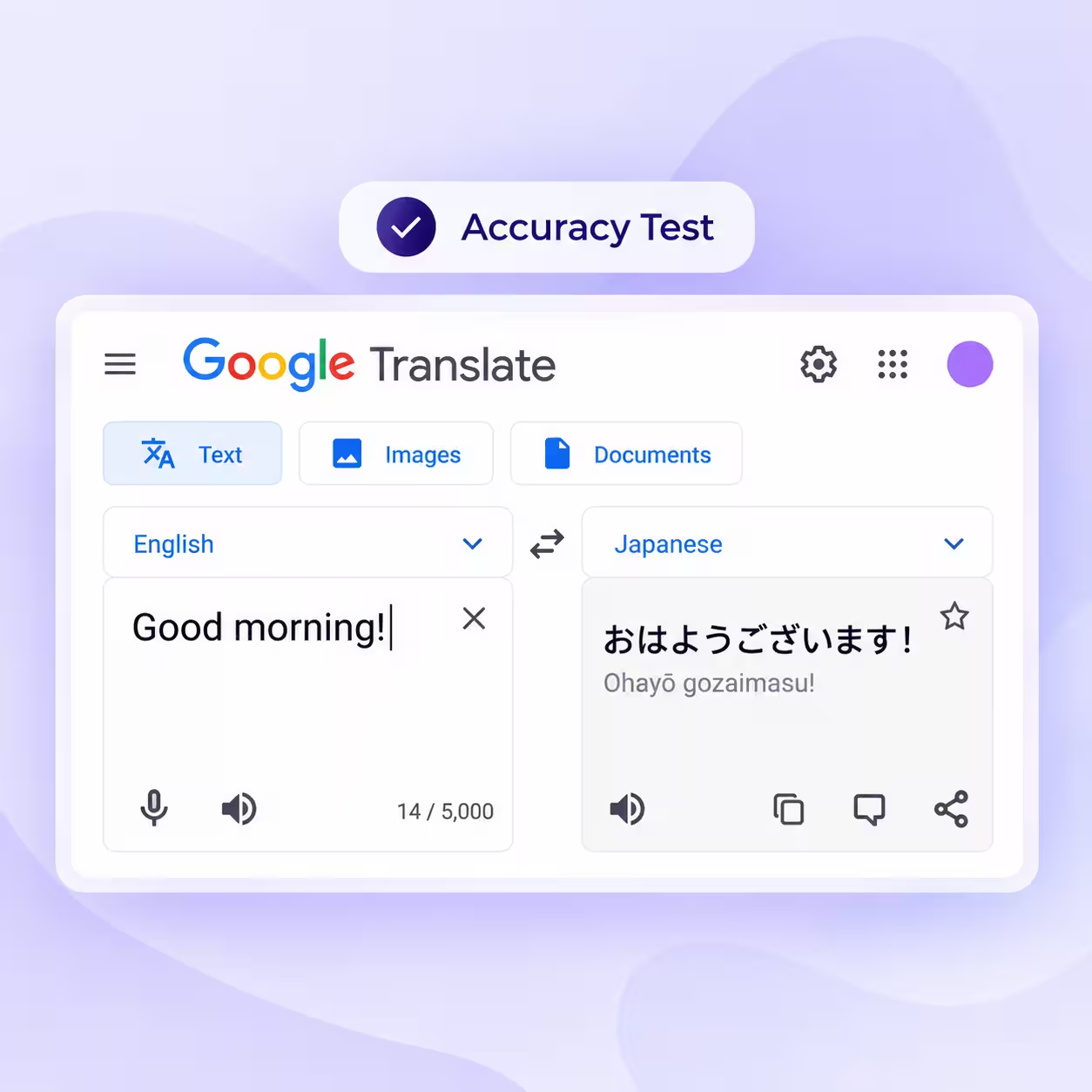
JotMe offers live translation for multilingual meetings, according to its product documentation. Its Japanese-to-English translation feature provides English captions for Japanese speech. For workers or recruitment staff who use English, these captions could help them follow Japanese-language briefings while they continue language training.
Last updated on
November 2, 2026
Follow us on social media: