





Tips
How to Get Bot-Less Real-Time Translation with JotMe

Viraj Mahajan
November 3, 2025
.avif)
Have you ever joined a virtual meeting and noticed a bot is recording the meeting? Most live translation tools require a bot to join the meeting, which often raises privacy concerns and creates awkward interruptions. However, with JotMe, you don’t need to invite a bot to your virtual meetings, as it does the work in the background and displays real-time translation on your screen, without anyone in the meeting knowing. JotMe is a live voice-to-text translator that offers live translation in 45 languages on desktop and 77 languages on Chrome extension, AI chat to get real-time answers, post-meeting notes, summaries, and more, at just $15/month.
Here’s a quick overview of the steps to get bot-less, real-time, live audio translation with JotMe:
- Install JotMe: Download JotMe from its official website and install it on your device.
- Join Your Virtual Meeting: Join your virtual meeting on Zoom, MS Teams, or Google Meet, and then open JotMe.
- Set the Languages in JotMe: Set the “Spoken Language” to the speaker’s language and “Translation” language to the one you want the translation in.
- Begin the Bot-Less Live Translation: After selecting the languages, click on the “Play” button on the top-left to begin the live translation.
Step 1: How to Install JotMe on Your Device?
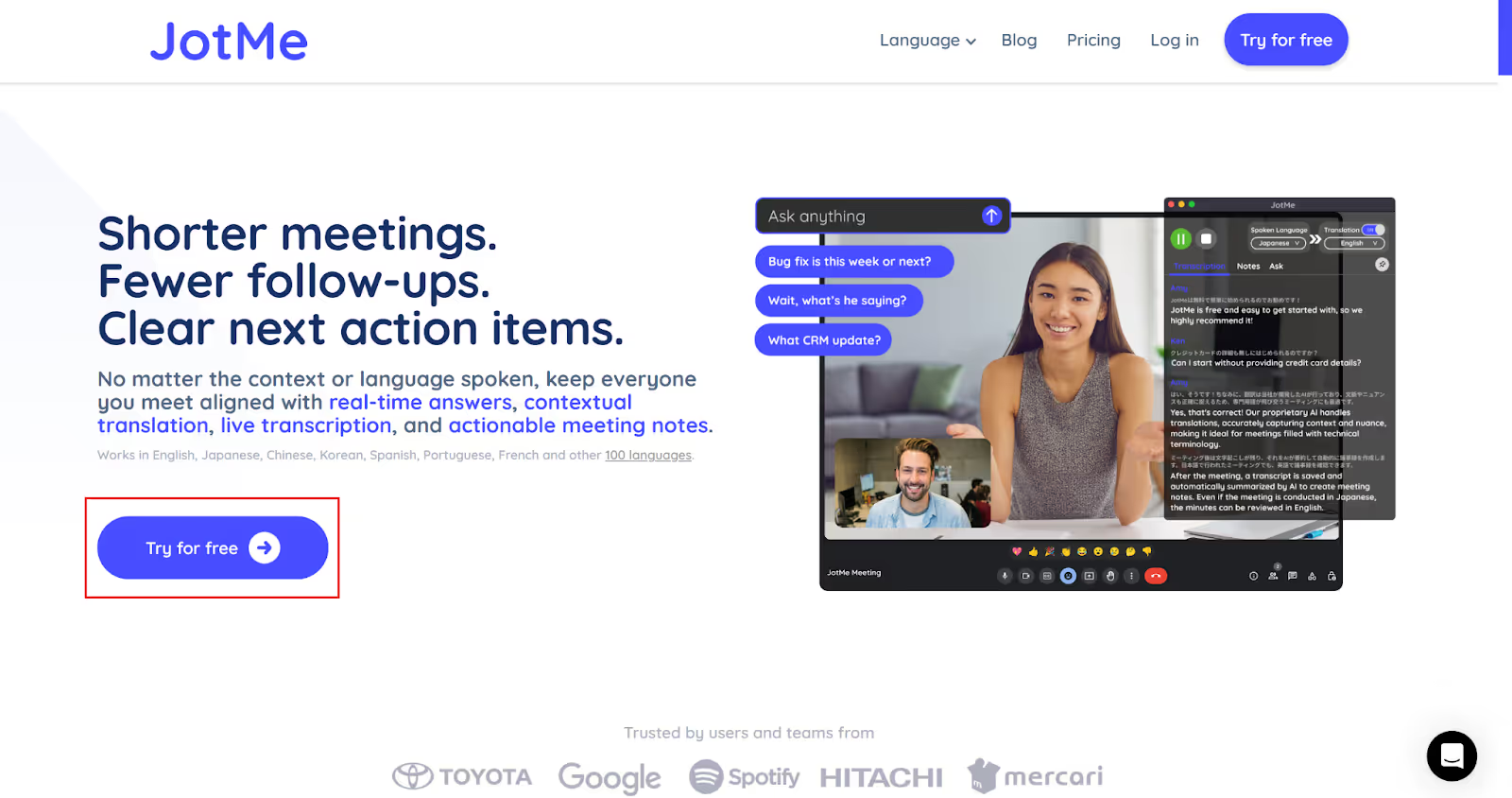
Go to the official website of JotMe, click on the “Try for free” button to download the JotMe app on your Windows or Mac device. Once downloaded, run the setup and complete the installation process.
Step 2: How to Launch Your Meeting and Open JotMe?
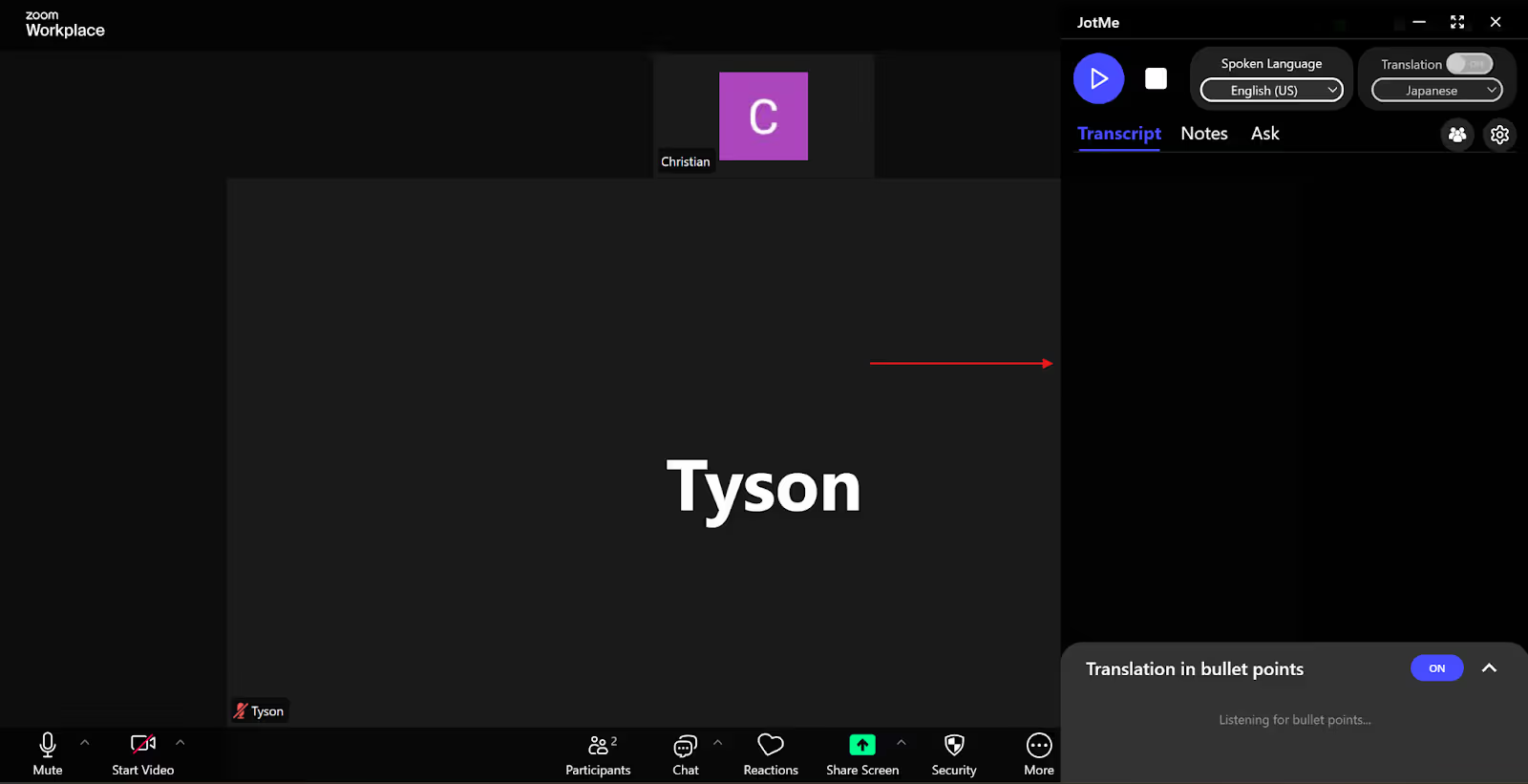
Start or join a meeting on video conferencing platforms like Google Meet, Zoom, MS Teams, or any other, on the desktop app or via the web browser. Next, open the JotMe app; you will see it on the right.
Step 3: How to Set the Languages in JotMe?
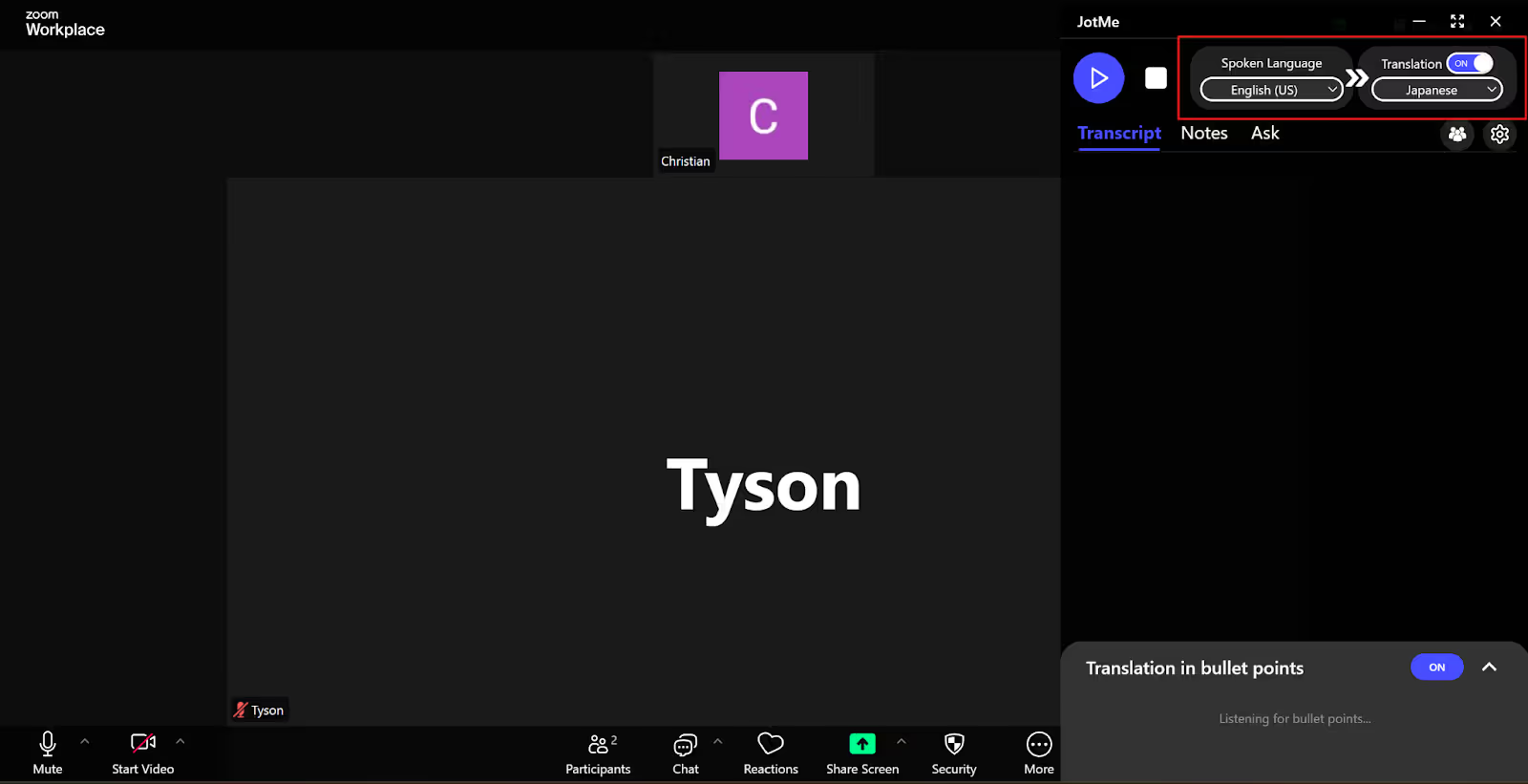
In the JotMe window, turn on the “Translation” button if it is toggled off. From the dropdown menu, set the “Spoken Language” to the language spoken in the meeting. You can select Multilingual if there are multiple speakers who speak different languages. Set the “Translation” language to your preferred output language.
Step 4: How to Begin the Bot-Less Live Translation?
Now that you’ve selected the languages, simply click on the “Play” button on the top-left of the JotMe window to begin the bot-less live translation.
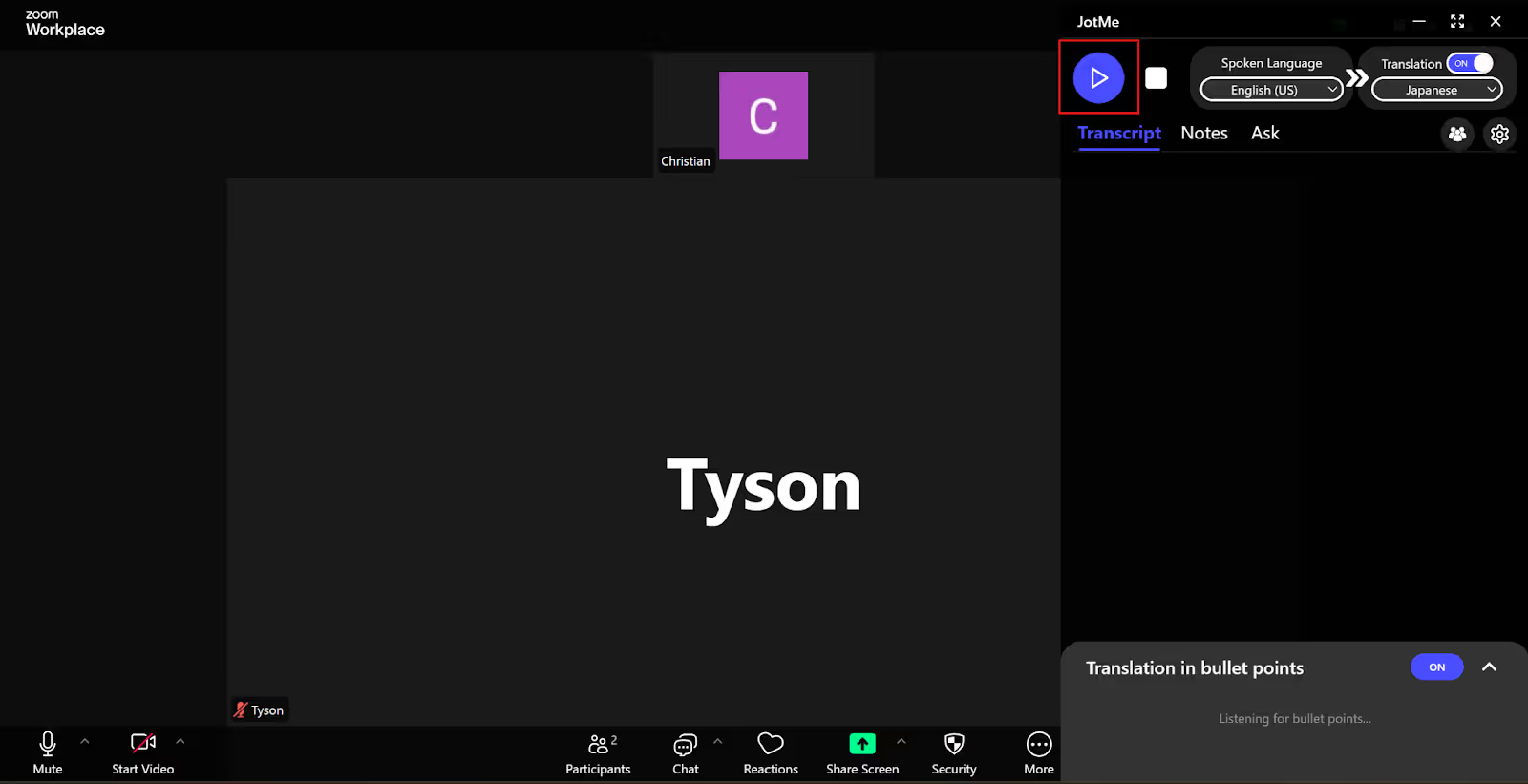
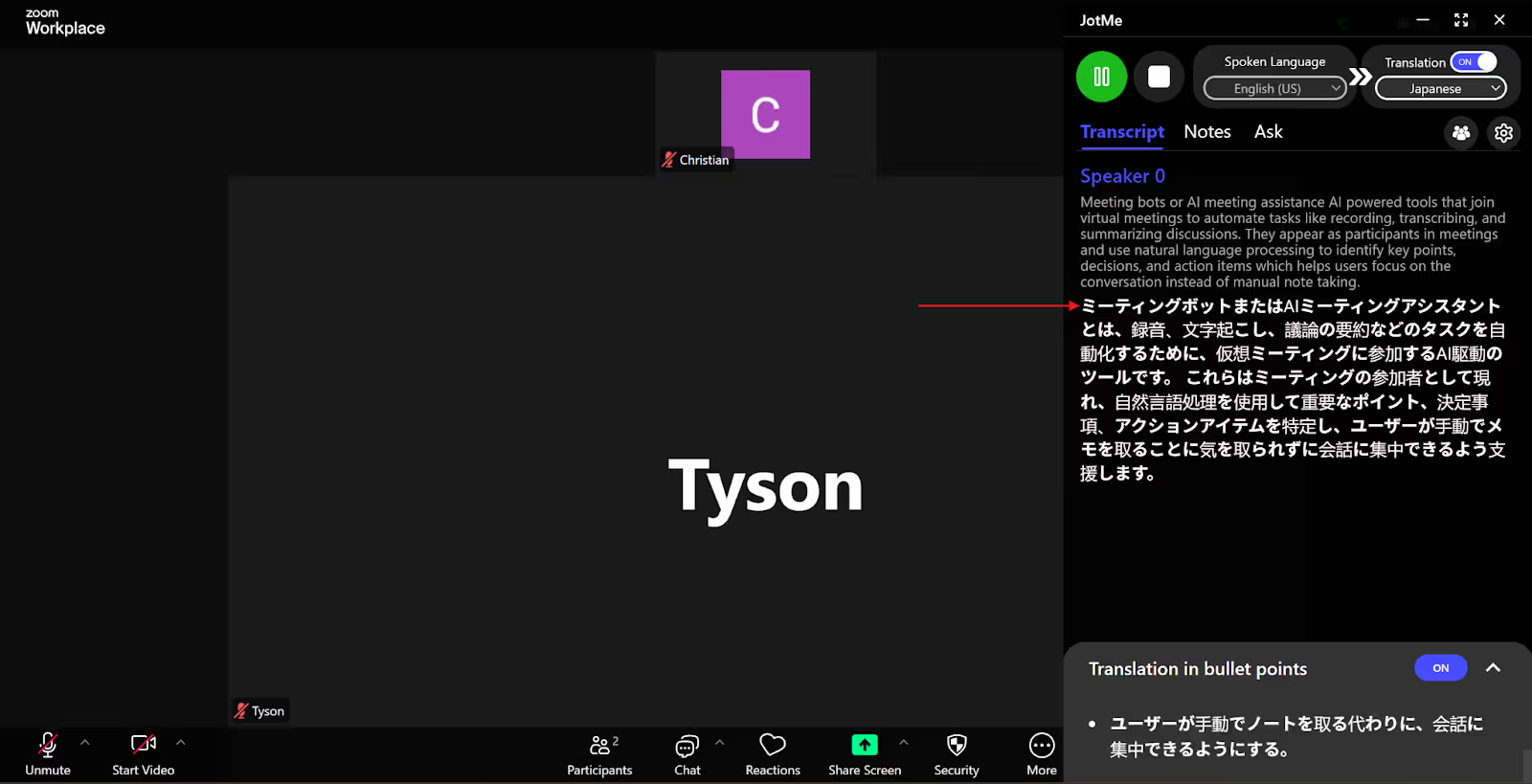
JotMe will begin the live translation as soon as you hit the “Play” button.
What are the Benefits of No-Bot Integration in Virtual Meetings?
The benefits of no-bot integration in virtual meetings include enhanced privacy, no interruptions, and professionalism. JotMe’s no-bot integration ensures seamless live translation without technical interruptions, awkward pauses, or discomfort. Take a look at the benefits in detail:
- Enhanced Privacy: Without a bot joining the meeting, you can have confidential discussions. Participants don’t worry about who is recording and can feel comfortable speaking openly without the presence of a bot.
- No Interruptions: A bot joining the meeting can cause a disruptive pause in the conversation. With a no-bot integration, the meeting can proceed smoothly without any technical interruptions or awkward moments.
- Professionalism: Since bot-less live translation tools, like JotMe, don’t need to add an extra participant (bot) to the meeting, they are beneficial in high-stakes client meetings where you need to maintain professionalism and avoid creating privacy concerns.
Beyond bot-less translation, JotMe offers tons of other features. During a job interview, you can use JotMe’s “Ask AI” feature to get instant answers to technical questions without the interviewer knowing. It also offers a text-to-speech translation option, where participants can use the ‘Ask JotMe’ feature to pose a question in their preferred language. Then, JotMe will recite the speech for the other participants in the selected output language.
If the participants in your virtual meetings are out of translation minutes, you can share minutes from your premium account, which will enable them to get bot-less translation and access to post-meeting notes and transcripts as well.
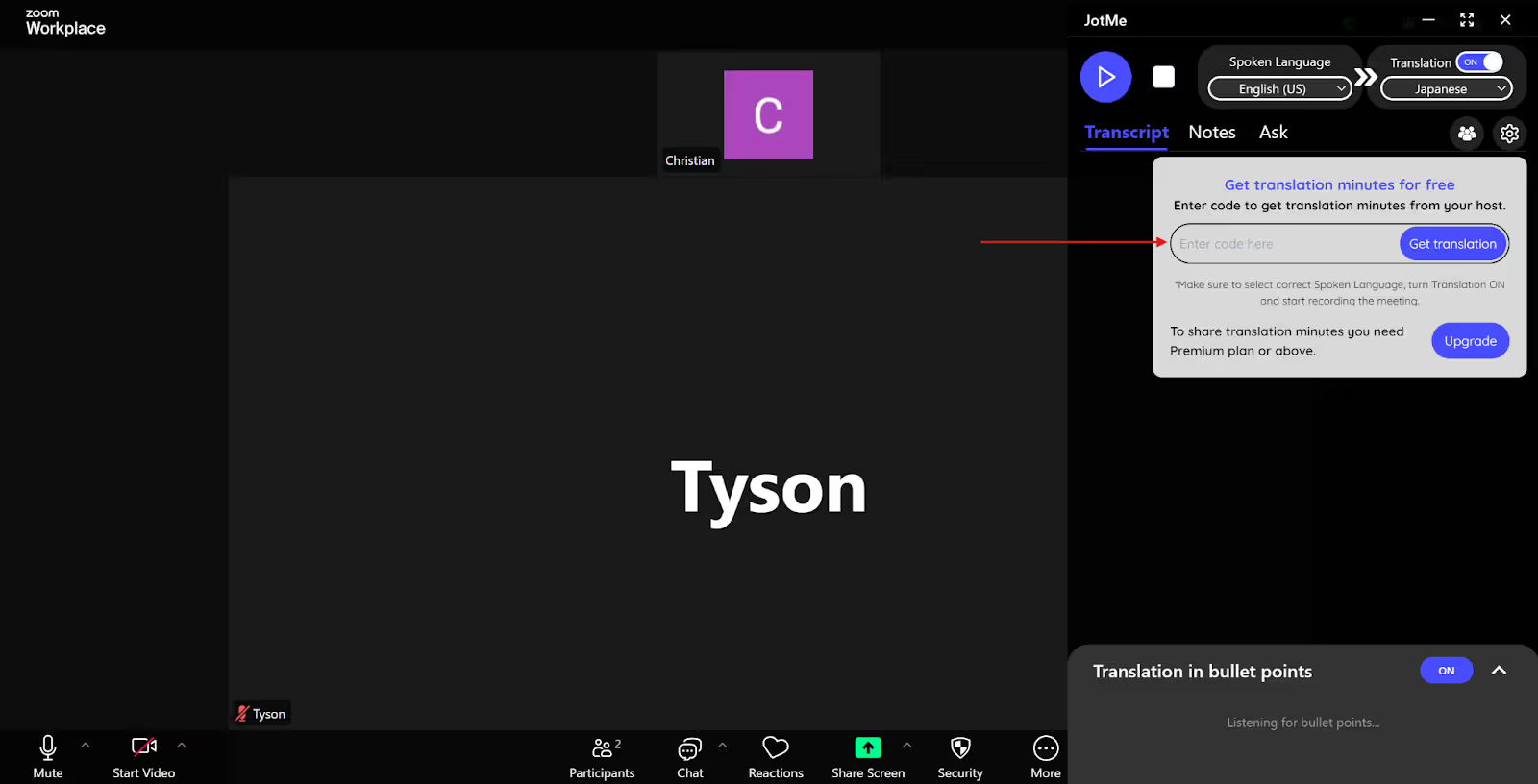
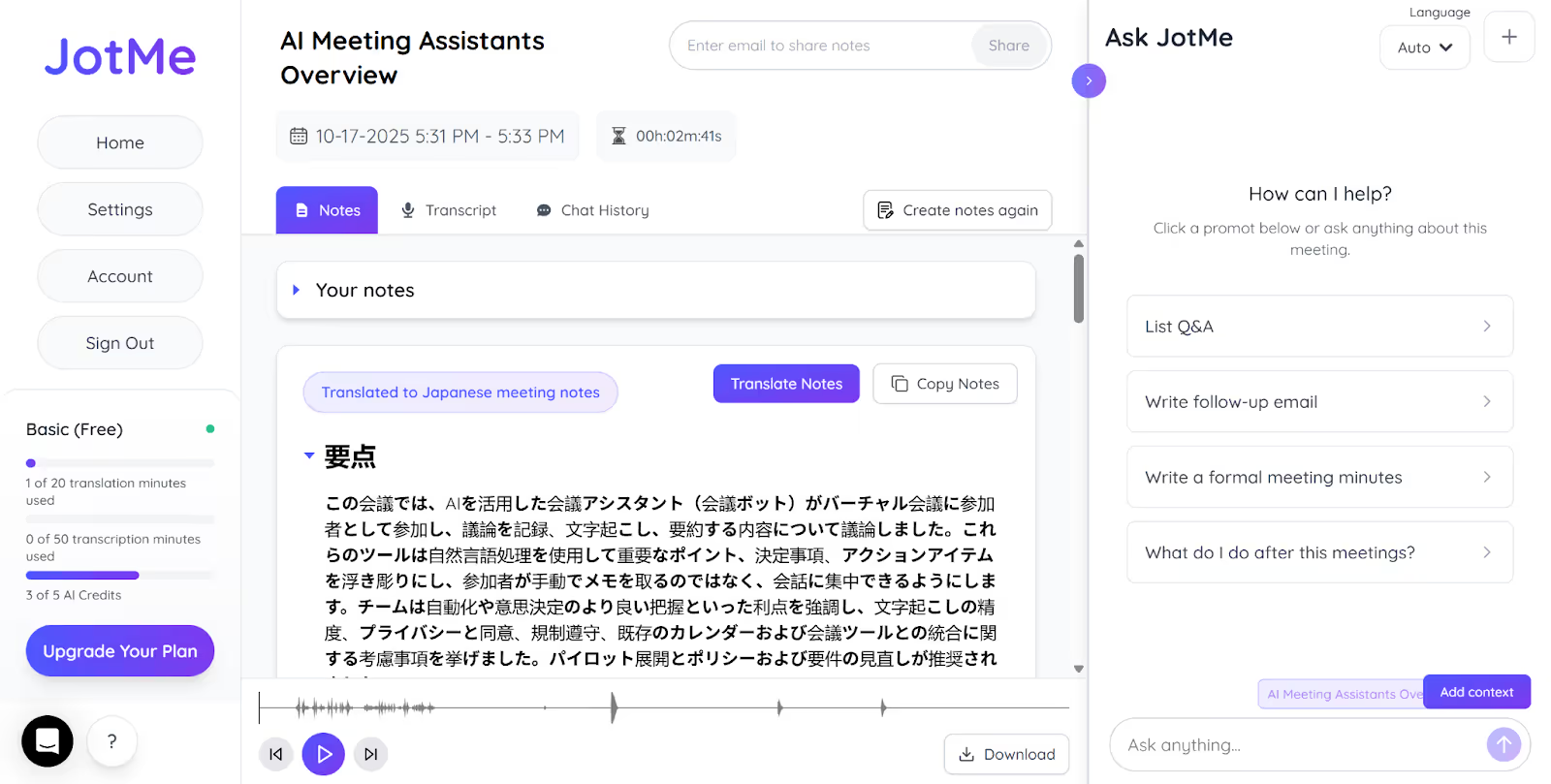
Along with no-bot integration, JotMe uses speech recognition and natural language processing that deliver contextual translation with the knowledge of industry-specific terms and the nuance of the conversation. After your meeting, you get AI-generated meeting notes with clear action items and key points that you can refer to. You can even translate these notes into up to 13 languages to share with your teammates from different language backgrounds.
How to Get Accurate Real-Time Translation for Your Meetings?
You can get accurate, real-time translation for your meetings by speaking clearly, cutting the background noise, and maintaining stable internet connectivity to make sure JotMe captures every word accurately. Follow these simple tips to get accurate real-time translation during your meetings:
- Speak Clearly: Make sure that you are speaking clearly at a proper speed with regular pauses, so JotMe can capture every word and provide accurate live translation. Avoid speaking over other participants for enhanced speaker differentiation.
- Eliminate Background Noise: Try to sit in a quiet environment while attending the meeting. Use a high-quality headset with active noise cancellation to eliminate the background noise and get accurate translation in real time.
- Ensure a Stable Internet Connection: With fluctuations in the internet connectivity, the speaker’s voice tends to break or lag, making it difficult to comprehend the speech of the meeting and affecting translation quality. So make sure to have a stable internet connection throughout the meeting.
JotMe is easy to set up and works quietly in the background to deliver real-time translation in 107 languages. Other than that, you also get real-time answers, AI meeting notes, summaries, transcripts, and more. JotMe works with various video conferencing platforms, including Google Meet, MS Teams, Zoom, Slack, Discord, WhatsApp, and more. Whether you’re discussing a project with your international client, giving an interview, or attending a multilingual team meeting, JotMe provides accurate real-time translation without interruptions and keeps your discussions private.
Download JotMe now and get secure, real-time translations without a bot joining or recording your conversations.
FAQs
How to enable bot-less live translation on JotMe?
To enable bot-less live translation on JotMe, you need to first install it on your desktop and open it during your virtual meeting on Zoom, MS Teams, or Google Meet. Next, set the spoken and translation language in JotMe, and it will instantly start the bot-less live translation in your selected language.
How does JotMe’s bot-less live translation work?
JotMe’s bot-less live translation works by capturing audio directly from your system in the background. JotMe uses this audio to provide real-time translation that appears on your screen without requiring the meeting host’s permission.
Can JotMe translate multiple speakers at once without needing an AI assistant to join?
Yes, JotMe can translate multiple speakers at once without needing an AI assistant to join the meeting. To do this, you simply need to set the “Spoken Language” in the JotMe window to Multilingual. JotMe will automatically detect the spoken languages and provide real-time translation in your preferred language, without appearing as a participant in the meeting.
Are AI bots that join meetings safe for confidential discussions?
No, AI bots that join meetings are generally not safe for confidential discussions. They often record the meetings and access meeting data, and participants might feel insecure about discussing confidential or sensitive information.
Do meeting bots affect the professionalism of virtual meetings?
Yes, meeting bots can affect the professionalism of virtual meetings, especially if they are introduced without consent. Some participants are less likely to speak when a bot is introduced without consent. Plus, some bots require you to share your screen to provide the live translation, which raises security concerns.
Last updated on
April 14, 2026
Follow us on social media: