

Советы
Языковая обработка и деловой перевод: сценарии использования и рабочие процессы

Viraj Mahajan
December 18, 2025

Do you ever feel that a language gap is a barrier to entry into a global market? If yes, then worry no more. Many advanced tools have made context-based business translation and communication a reality!
Today, AI translation tools have evolved beyond simply word swapping, as Google Translate does. Tools like JotMe use multilingual speech recognition technology to understand context and ensure translations convey the same feeling, impact, and clarity as the spoken message. This not only streamlines the communication between multilingual participants but also fosters global collaboration.
That’s not it. There’s more to language processing and business translations. This guide walks you through the concept and evaluates why businesses are moving beyond manual translation. You’ll also learn how tools like JotMe can streamline your multilingual business meetings.
What Does Language Processing and Translation Mean in a Business Context?
Business translation isn’t just about translating words, but understanding context, meaning, and tone, so translations make sense to native speakers. From discussing expansion strategies with the global team to speaking with customers, business translations streamline communication and build trust.
This shift reflects a broader operational reality. As Bertrand Gstalder, CEO of Acolad, explains: “Our clients no longer need words translated—they need efficient multilingual experiences that resonate across cultures, channels, and formats.”
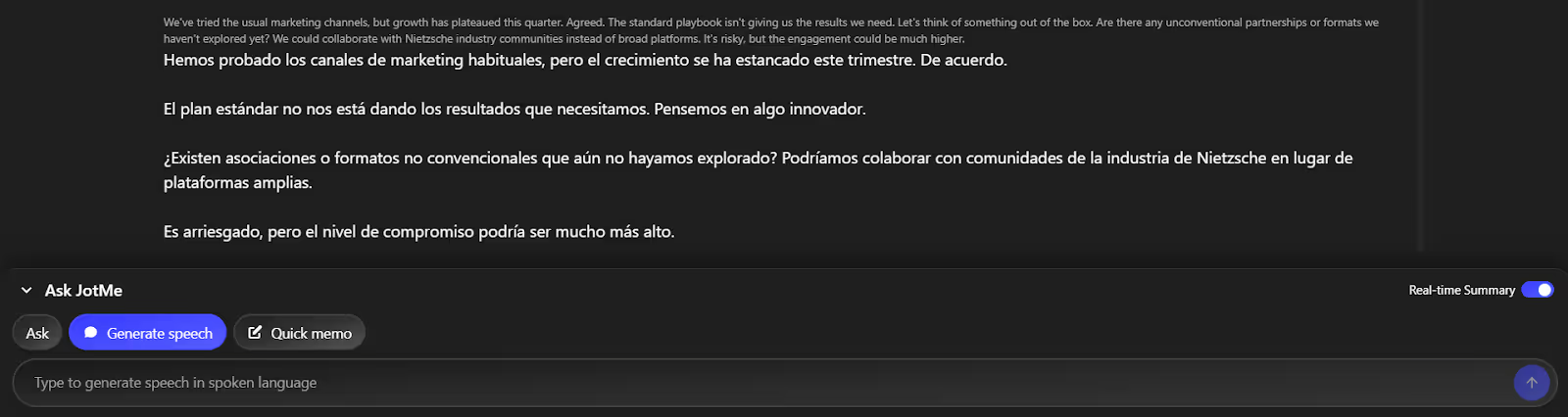
Anyone who runs a global business should resonate with the statement. Last month, during a business meeting with Spanish-speaking clients, someone said, “Let’s think of something out of the box.” It’s an English metaphor that asks the person to be innovative in their approach. A literal translation, however, could have left them wondering which box we were even talking about.
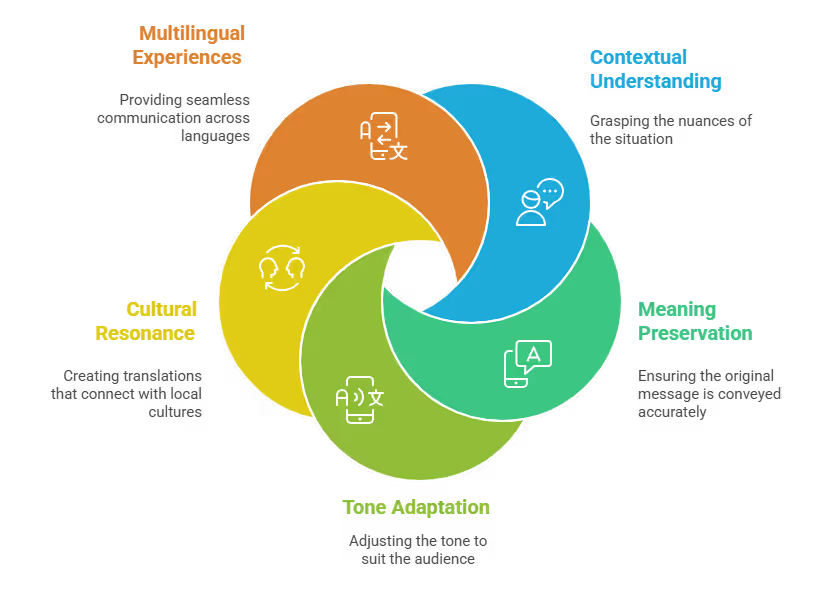
Here, an enterprise-grade English-to-Spanish business translation tool like JotMe makes the difference. It uses advanced multilingual speech recognition to capture the meaning and tone behind the words, rather than the exact words. This way, our colleagues relate to what we say, and never misunderstand.
Why Businesses Are Moving Beyond Manual Translation and Static Tools?
Businesses around the world are using Artificial Intelligence in more functions than ever before. According to McKinsey’s State of AI survey, 79% of respondents reported adopting generative AI in 2025, up from 33% in 2023. Most importantly, AI users have reported lower costs and higher revenue.
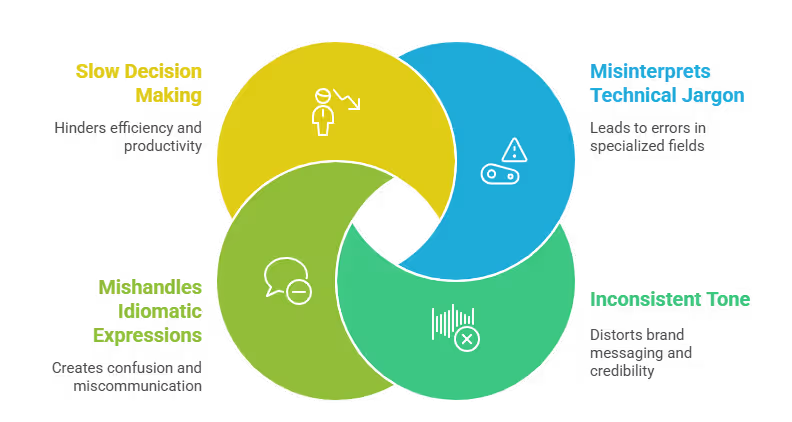
Moreover, AI's influence on how global brands communicate and translate live virtual events is nothing short of revolutionary. We saw a shift from manual and traditional translation tools, primarily due to meaning-related errors, inconsistent messaging, and missed opportunities. Here are the details of where traditional translations fail:
Misinterprets Technical Jargon
When brands integrate manual and static translation tools with limited technical expertise, the results can be disastrous. A sentence may sound correct, but may carry a different technical or legal meaning. In regulated industries such as technology, manufacturing, and finance, these subtle differences matter.
Speaking with one of our Spanish-speaking engineers, they mentioned that although the traditional tool’s translations were technically accurate, the conversations still felt off. As they put it, “it sounded like we had a personality disorder.”
Inconsistent Tone
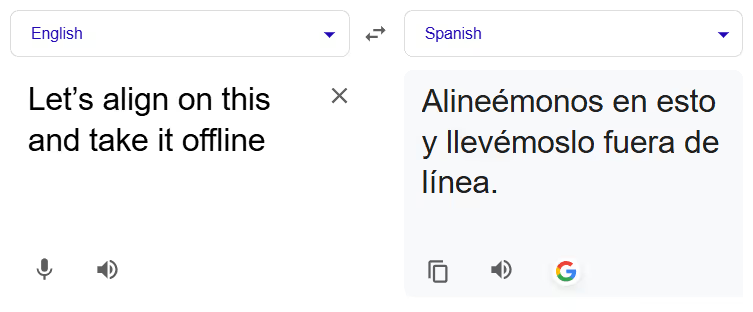
Traditional tools mostly struggle to maintain consistency in tone, style, and cultural context across translations. A single mistranslation in multilingual markets can distort meaning, undermining credibility and, in turn, customer retention. A PwC survey finds that about 37% of customers leave a brand after a single negative experience. Global brands can’t afford that, which is why the shift is toward translation tools that understand tone, idiomatic expressions, and contextual references.
Mishandling Idiomatic Expressions
Traditional tools lack contextual understanding and emotional intelligence, and often struggle to translate conversations that involve idiomatic expressions. For example, literally translating an idiom such as “break a leg” can create confusion among participants. The solution is to adopt professional business translation services, such as JotMe, that use advanced multilingual speech recognition. It analyzes your entire conversation and recognizes it as an idiomatic way to wish good luck.
Slow Decision Making
Quick decision-making is key to success for most international businesses, but miscommunication due to mistranslations can pose a hurdle. If your Spanish-speaking colleague didn’t understand the deliverables and action items, the project could face unnecessary delays, rework, and misaligned expectations.
Here, live translation tools like JotMe can address the problem by providing instantaneous and accurate translation during meetings. This way, everyone stays in sync and collaborates on a project. According to McKinsey, knowledge workers see a 20-25% increase in productivity using social technologies. In short, businesses are moving away from context-based translation tools to convert their multilingual collaboration into a measurable business advantage.
What is the Best Tool for Language Processing and Business Translation in Real-Time Meetings?
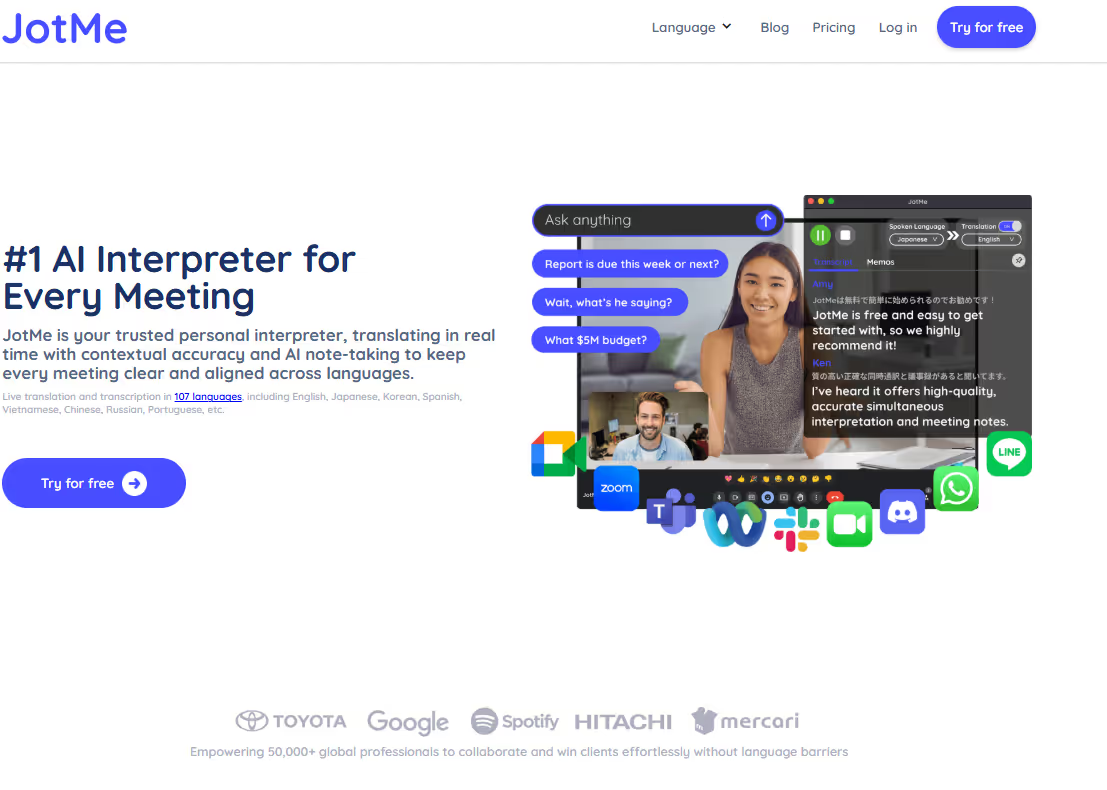
After testing and evaluating several so-called best live translation tools, including Google Translate and Bing Translate, we found JotMe stood out in most respects. As mentioned earlier, JotMe uses advanced multilingual speech recognition technology to understand tone, nuance, and context, maintaining naturalness and accuracy in translations. Not only that, we found features such as AI Ask, AI meeting notes, real-time summaries, and speech generation to foster better collaboration. Here’s a detail on the features:
AI Ask
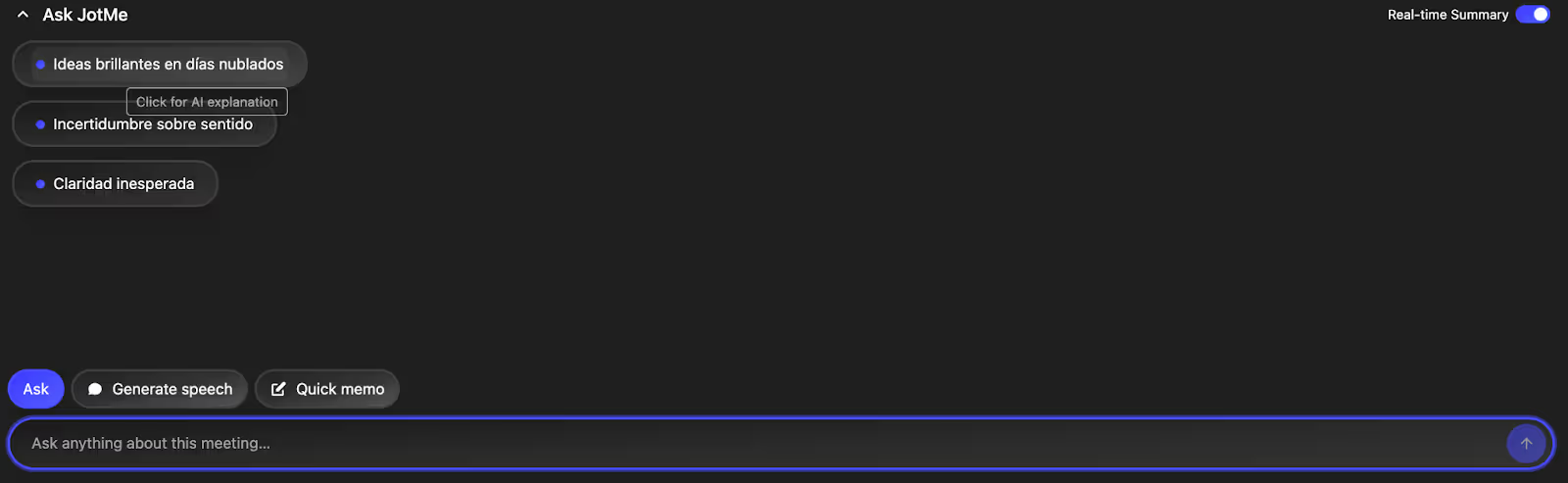
During an ongoing meeting, participants may have a question about the topic or find a term unclear. At such times, they can use JotMe’s AI Ask feature to receive immediate, context-based answers without interrupting the meeting flow.

Real-time Summary
JotMe’s AI meeting summary provides a bulleted summary of ongoing conversations. This allows the participants to skim through the requests, decisions, and key insights shared during the meeting and stay in sync.
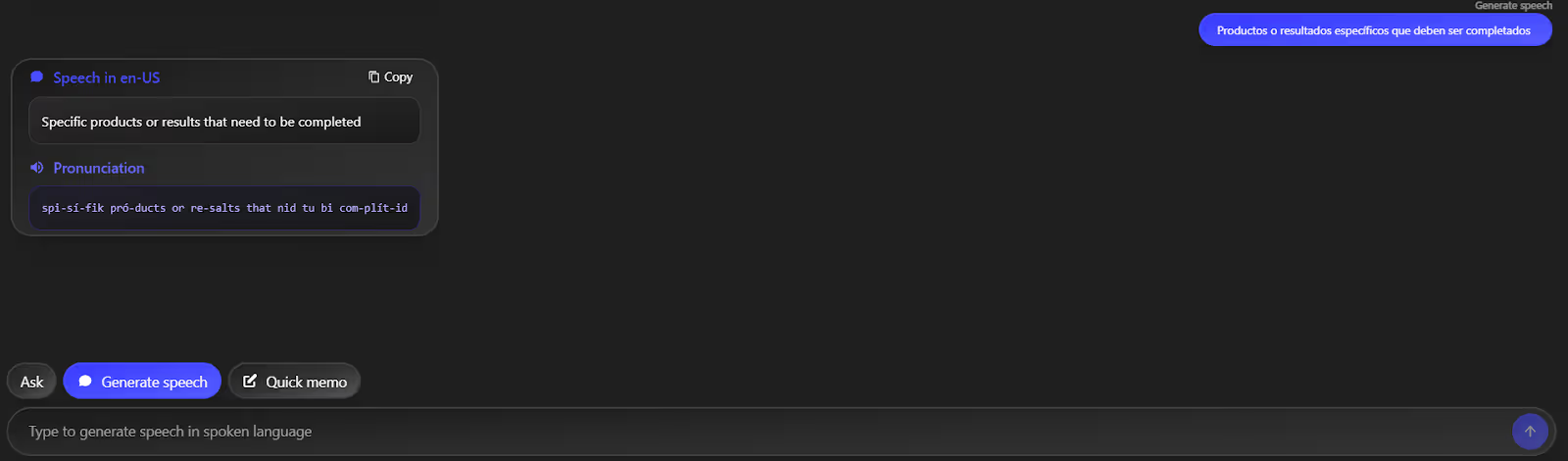
Real-Time Pronunciation
If your Spanish-speaking or any other language-speaking colleague wants to speak in English confidently during a meeting, JotMe’s real-time pronunciation feature can be helpful. Just type the sentence, and JotMe will provide an English to Spanish translation with pronunciation. This enables your colleagues to speak clearly in English without mispronouncing or pausing awkwardly.
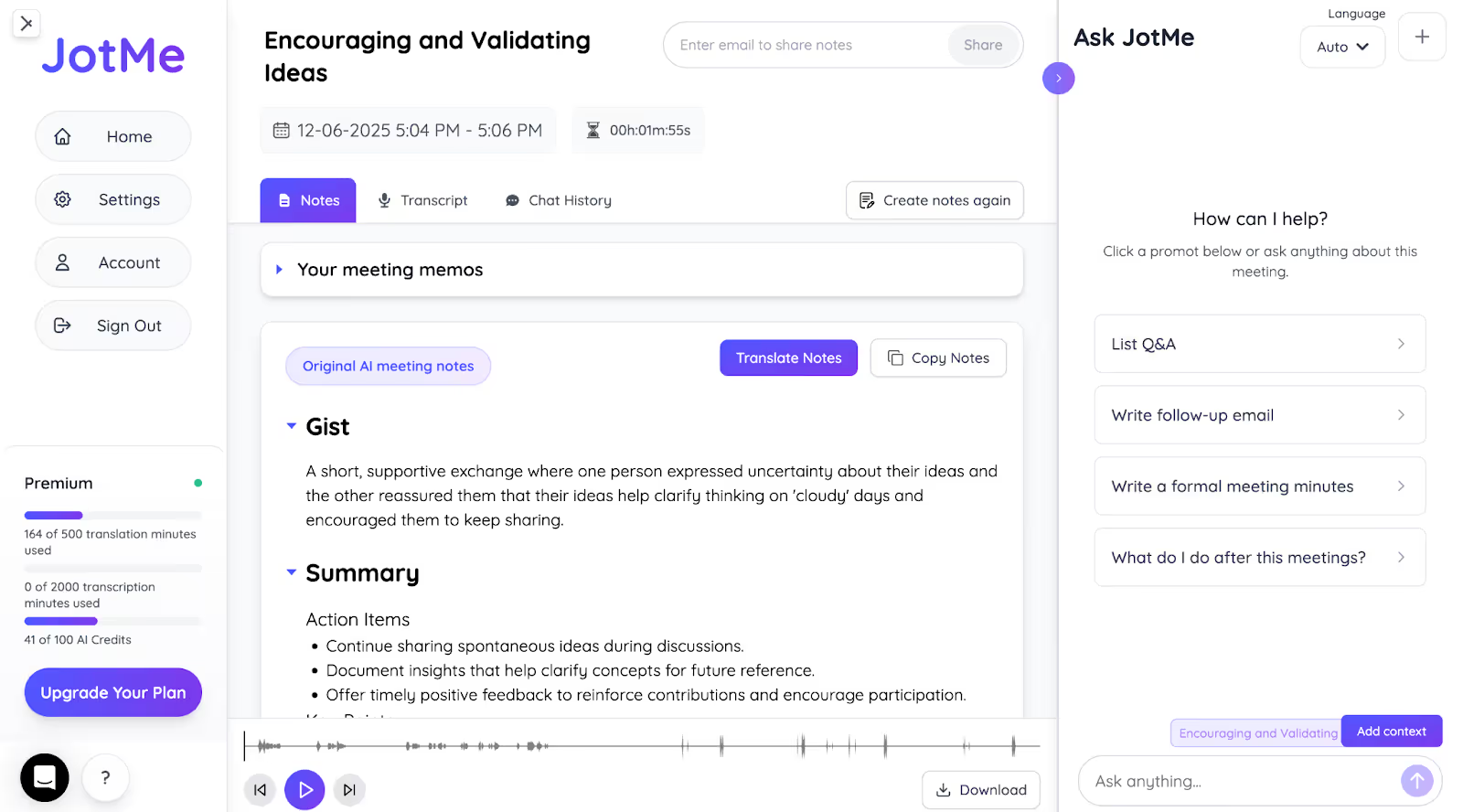
Post-Meeting Notes
Taking notes during discussions is no longer a hassle with JotMe. It automatically records the conversations and creates detailed post-meeting notes with clear action items and key points. You can also translate them into 13+ languages and share them with your colleagues via email or messages.
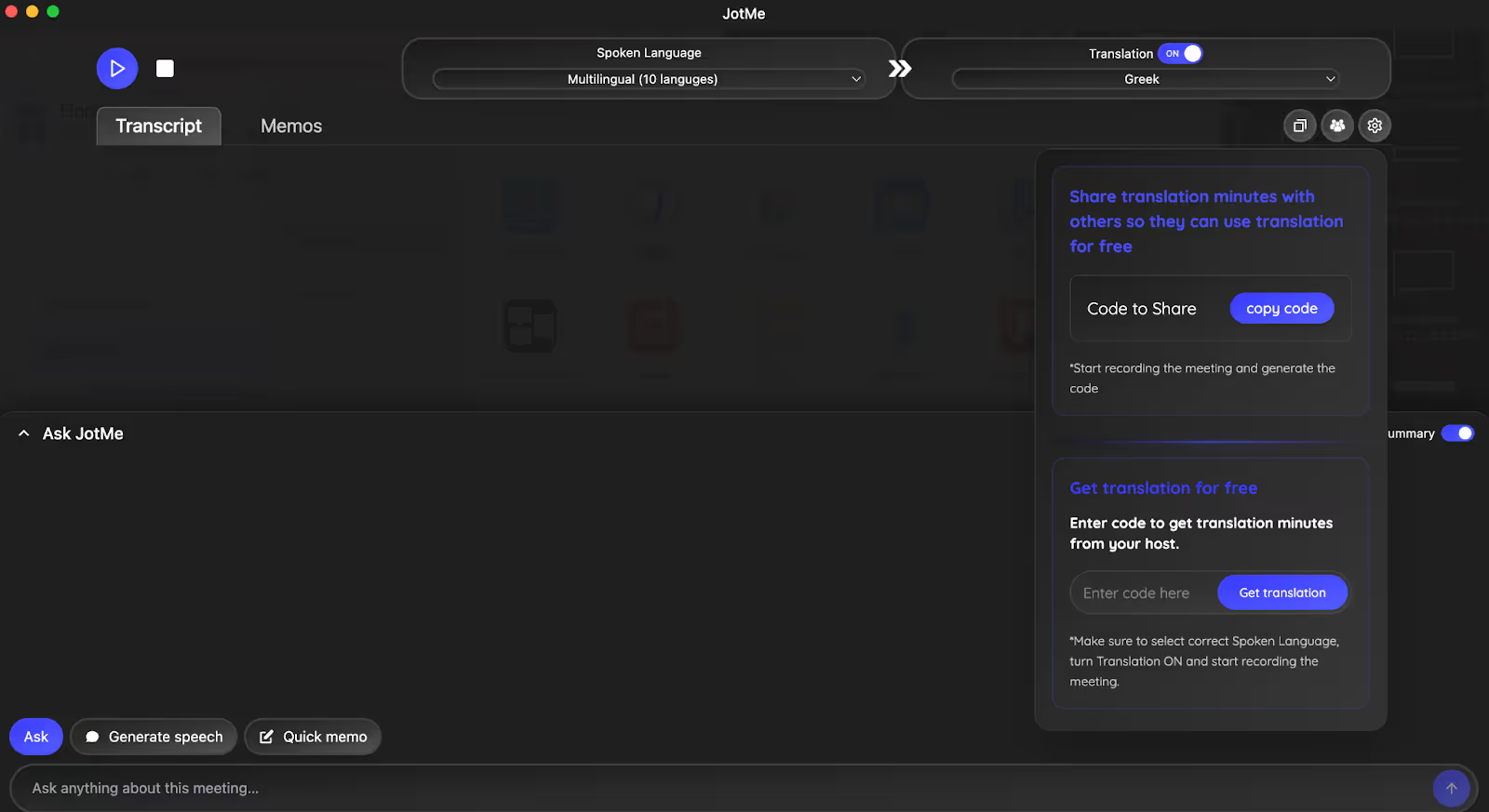
Sharing Translation Minutes
Not everyone in the meeting might have JotMe’s paid plan. However, JotMe provides a unique code that grants anyone free access to translation minutes. You’ll receive the code as soon as translation begins, which you can share with participants.
JotMe can be helpful in enterprises in several scenarios, which are detailed as follows:
Conclusion: What is the Best Tool for Business Translation?
AI business translation services hold massive potential, provided you choose the right tool. Your business to business translation services must understand the meaning behind words, tone, and nuance to produce translations that resonate with the audience. JotMe is a tool that uses advanced multilingual speech recognition technology to maintain naturalness in translations and ensure they always have the proper context. Not only that, it can create drafts of emails, AI meeting notes, transcripts, summaries, and more to streamline your workflow. So, try JotMe today and experience how you can make communication seamless with your teammates or clients.
FAQs
Can you recommend the best tools for language processing and translation?
Google Translate is a popular tool for language processing and translation, supporting 200+ languages and providing instant responses, but its accuracy struggles with technical jargon. To address this, you can use JotMe, which provides context-based translations and features such as AI Ask, AI summary, and more.
What software uses natural language processing?
Google Translate, DeepL, and Bing Translator are examples of tools that use natural language processing, but they often lose context and tone and can produce inaccurate translations. Meanwhile, tools like JotMe use advanced multilingual speech recognition technology to understand technical jargon, emotion, and conversational flow, and to provide accurate translations.
Is ChatGPT LLM or NLP?
ChatGPT is a Large Language Model (LLM) that operates within the broader field of Natural Language Processing (NLP) to understand and generate human-like text. This makes it a decent tool for conversation, summarization, and coding.
What is natural language processing for translation?
Natural Language Processing for translation uses AI and machine learning to understand, interpret, and generate human-like output. The tools using NLP, however, struggle when technical jargon, idiomatic expressions, or similar are involved in a translation. It’s crucial to select tools like JotMe that provide translations in a way a native speaker would say in the language.
What are the best tools for language inspection and translation?
JotMe is a reliable live translation tool for your multilingual meetings, virtual events, and webinars. It uses advanced speech recognition technology to understand meaning, tone, and industry-specific terms to provide natural, context-based translation. Besides, you can consider language inspection tools like Grammarly and DeepL Write to improve the quality, clarity, and correctness of the written content.
Last updated on
April 17, 2026
Follow us on social media: